
Get trending papers in your email inbox once a day!
Get trending papers in your email inbox!
Subscribe



VeriGuard: Enhancing LLM Agent Safety via Verified Code Generation
The deployment of autonomous AI agents in sensitive domains, such as healthcare, introduces critical risks to safety, security, and privacy. These agents may deviate from user objectives, violate data handling policies, or be compromised by adversarial attacks. Mitigating these dangers necessitates a mechanism to formally guarantee that an agent's actions adhere to predefined safety constraints, a challenge that existing systems do not fully address. We introduce VeriGuard, a novel framework that provides formal safety guarantees for LLM-based agents through a dual-stage architecture designed for robust and verifiable correctness. The initial offline stage involves a comprehensive validation process. It begins by clarifying user intent to establish precise safety specifications. VeriGuard then synthesizes a behavioral policy and subjects it to both testing and formal verification to prove its compliance with these specifications. This iterative process refines the policy until it is deemed correct. Subsequently, the second stage provides online action monitoring, where VeriGuard operates as a runtime monitor to validate each proposed agent action against the pre-verified policy before execution. This separation of the exhaustive offline validation from the lightweight online monitoring allows formal guarantees to be practically applied, providing a robust safeguard that substantially improves the trustworthiness of LLM agents.

Monitoring Model Deterioration with Explainable Uncertainty Estimation via Non-parametric Bootstrap
Monitoring machine learning models once they are deployed is challenging. It is even more challenging to decide when to retrain models in real-case scenarios when labeled data is beyond reach, and monitoring performance metrics becomes unfeasible. In this work, we use non-parametric bootstrapped uncertainty estimates and SHAP values to provide explainable uncertainty estimation as a technique that aims to monitor the deterioration of machine learning models in deployment environments, as well as determine the source of model deterioration when target labels are not available. Classical methods are purely aimed at detecting distribution shift, which can lead to false positives in the sense that the model has not deteriorated despite a shift in the data distribution. To estimate model uncertainty we construct prediction intervals using a novel bootstrap method, which improves upon the work of Kumar & Srivastava (2012). We show that both our model deterioration detection system as well as our uncertainty estimation method achieve better performance than the current state-of-the-art. Finally, we use explainable AI techniques to gain an understanding of the drivers of model deterioration. We release an open source Python package, doubt, which implements our proposed methods, as well as the code used to reproduce our experiments.

Crypto Miner Attack: GPU Remote Code Execution Attacks
Remote Code Execution (RCE) exploits pose a significant threat to AI and ML systems, particularly in GPU-accelerated environments where the computational power of GPUs can be misused for malicious purposes. This paper focuses on RCE attacks leveraging deserialization vulnerabilities and custom layers, such as TensorFlow Lambda layers, which are often overlooked due to the complexity of monitoring GPU workloads. These vulnerabilities enable attackers to execute arbitrary code, blending malicious activity seamlessly into expected model behavior and exploiting GPUs for unauthorized tasks such as cryptocurrency mining. Unlike traditional CPU-based attacks, the parallel processing nature of GPUs and their high resource utilization make runtime detection exceptionally challenging. In this work, we provide a comprehensive examination of RCE exploits targeting GPUs, demonstrating an attack that utilizes these vulnerabilities to deploy a crypto miner on a GPU. We highlight the technical intricacies of such attacks, emphasize their potential for significant financial and computational costs, and propose strategies for mitigation. By shedding light on this underexplored attack vector, we aim to raise awareness and encourage the adoption of robust security measures in GPU-driven AI and ML systems, with an emphasis on static and model scanning as an easier way to detect exploits.
Code as Policies: Language Model Programs for Embodied Control
Large language models (LLMs) trained on code completion have been shown to be capable of synthesizing simple Python programs from docstrings [1]. We find that these code-writing LLMs can be re-purposed to write robot policy code, given natural language commands. Specifically, policy code can express functions or feedback loops that process perception outputs (e.g.,from object detectors [2], [3]) and parameterize control primitive APIs. When provided as input several example language commands (formatted as comments) followed by corresponding policy code (via few-shot prompting), LLMs can take in new commands and autonomously re-compose API calls to generate new policy code respectively. By chaining classic logic structures and referencing third-party libraries (e.g., NumPy, Shapely) to perform arithmetic, LLMs used in this way can write robot policies that (i) exhibit spatial-geometric reasoning, (ii) generalize to new instructions, and (iii) prescribe precise values (e.g., velocities) to ambiguous descriptions ("faster") depending on context (i.e., behavioral commonsense). This paper presents code as policies: a robot-centric formulation of language model generated programs (LMPs) that can represent reactive policies (e.g., impedance controllers), as well as waypoint-based policies (vision-based pick and place, trajectory-based control), demonstrated across multiple real robot platforms. Central to our approach is prompting hierarchical code-gen (recursively defining undefined functions), which can write more complex code and also improves state-of-the-art to solve 39.8% of problems on the HumanEval [1] benchmark. Code and videos are available at https://code-as-policies.github.io

Visual Programmability: A Guide for Code-as-Thought in Chart Understanding
Chart understanding presents a critical test to the reasoning capabilities of Vision-Language Models (VLMs). Prior approaches face critical limitations: some rely on external tools, making them brittle and constrained by a predefined toolkit, while others fine-tune specialist models that often adopt a single reasoning strategy, such as text-based chain-of-thought (CoT). The intermediate steps of text-based reasoning are difficult to verify, which complicates the use of reinforcement-learning signals that reward factual accuracy. To address this, we propose a Code-as-Thought (CaT) approach to represent the visual information of a chart in a verifiable, symbolic format. Our key insight is that this strategy must be adaptive: a fixed, code-only implementation consistently fails on complex charts where symbolic representation is unsuitable. This finding leads us to introduce Visual Programmability: a learnable property that determines if a chart-question pair is better solved with code or direct visual analysis. We implement this concept in an adaptive framework where a VLM learns to choose between the CaT pathway and a direct visual reasoning pathway. The selection policy of the model is trained with reinforcement learning using a novel dual-reward system. This system combines a data-accuracy reward to ground the model in facts and prevent numerical hallucination, with a decision reward that teaches the model when to use each strategy, preventing it from defaulting to a single reasoning mode. Experiments demonstrate strong and robust performance across diverse chart-understanding benchmarks. Our work shows that VLMs can be taught not only to reason but also how to reason, dynamically selecting the optimal reasoning pathway for each task.

RL-GPT: Integrating Reinforcement Learning and Code-as-policy
Large Language Models (LLMs) have demonstrated proficiency in utilizing various tools by coding, yet they face limitations in handling intricate logic and precise control. In embodied tasks, high-level planning is amenable to direct coding, while low-level actions often necessitate task-specific refinement, such as Reinforcement Learning (RL). To seamlessly integrate both modalities, we introduce a two-level hierarchical framework, RL-GPT, comprising a slow agent and a fast agent. The slow agent analyzes actions suitable for coding, while the fast agent executes coding tasks. This decomposition effectively focuses each agent on specific tasks, proving highly efficient within our pipeline. Our approach outperforms traditional RL methods and existing GPT agents, demonstrating superior efficiency. In the Minecraft game, it rapidly obtains diamonds within a single day on an RTX3090. Additionally, it achieves SOTA performance across all designated MineDojo tasks.


Code-Craft: Hierarchical Graph-Based Code Summarization for Enhanced Context Retrieval
Understanding and navigating large-scale codebases remains a significant challenge in software engineering. Existing methods often treat code as flat text or focus primarily on local structural relationships, limiting their ability to provide holistic, context-aware information retrieval. We present Hierarchical Code Graph Summarization (HCGS), a novel approach that constructs a multi-layered representation of a codebase by generating structured summaries in a bottom-up fashion from a code graph. HCGS leverages the Language Server Protocol for language-agnostic code analysis and employs a parallel level-based algorithm for efficient summary generation. Through extensive evaluation on five diverse codebases totaling 7,531 functions, HCGS demonstrates significant improvements in code retrieval accuracy, achieving up to 82 percentage relative improvement in top-1 retrieval precision for large codebases like libsignal (27.15 percentage points), and perfect Pass@3 scores for smaller repositories. The system's hierarchical approach consistently outperforms traditional code-only retrieval across all metrics, with particularly substantial gains in larger, more complex codebases where understanding function relationships is crucial.
Code Prompting: a Neural Symbolic Method for Complex Reasoning in Large Language Models
Large language models (LLMs) have scaled up to unlock a wide range of complex reasoning tasks with the aid of various prompting methods. However, current prompting methods generate natural language intermediate steps to help reasoning, which can cause imperfect task reduction and confusion. To mitigate such limitations, we explore code prompting, a neural symbolic prompting method with both zero-shot and few-shot versions which triggers code as intermediate steps. We conduct experiments on 7 widely-used benchmarks involving symbolic reasoning and arithmetic reasoning. Code prompting generally outperforms chain-of-thought (CoT) prompting. To further understand the performance and limitations of code prompting, we perform extensive ablation studies and error analyses, and identify several exclusive advantages of using symbolic promptings compared to natural language. We also consider the ensemble of code prompting and CoT prompting to combine the strengths of both. Finally, we show through experiments how code annotations and their locations affect code prompting.
Scaling Text-Rich Image Understanding via Code-Guided Synthetic Multimodal Data Generation
Reasoning about images with rich text, such as charts and documents, is a critical application of vision-language models (VLMs). However, VLMs often struggle in these domains due to the scarcity of diverse text-rich vision-language data. To address this challenge, we present CoSyn, a framework that leverages the coding capabilities of text-only large language models (LLMs) to automatically create synthetic text-rich multimodal data. Given input text describing a target domain (e.g., "nutrition fact labels"), CoSyn prompts an LLM to generate code (Python, HTML, LaTeX, etc.) for rendering synthetic images. With the underlying code as textual representations of the synthetic images, CoSyn can generate high-quality instruction-tuning data, again relying on a text-only LLM. Using CoSyn, we constructed a dataset comprising 400K images and 2.7M rows of vision-language instruction-tuning data. Comprehensive experiments on seven benchmarks demonstrate that models trained on our synthetic data achieve state-of-the-art performance among competitive open-source models, including Llama 3.2, and surpass proprietary models such as GPT-4V and Gemini 1.5 Flash. Furthermore, CoSyn can produce synthetic pointing data, enabling VLMs to ground information within input images, showcasing its potential for developing multimodal agents capable of acting in real-world environments.


UniCoder: Scaling Code Large Language Model via Universal Code
Intermediate reasoning or acting steps have successfully improved large language models (LLMs) for handling various downstream natural language processing (NLP) tasks. When applying LLMs for code generation, recent works mainly focus on directing the models to articulate intermediate natural-language reasoning steps, as in chain-of-thought (CoT) prompting, and then output code with the natural language or other structured intermediate steps. However, such output is not suitable for code translation or generation tasks since the standard CoT has different logical structures and forms of expression with the code. In this work, we introduce the universal code (UniCode) as the intermediate representation. It is a description of algorithm steps using a mix of conventions of programming languages, such as assignment operator, conditional operator, and loop. Hence, we collect an instruction dataset UniCoder-Instruct to train our model UniCoder on multi-task learning objectives. UniCoder-Instruct comprises natural-language questions, code solutions, and the corresponding universal code. The alignment between the intermediate universal code representation and the final code solution significantly improves the quality of the generated code. The experimental results demonstrate that UniCoder with the universal code significantly outperforms the previous prompting methods by a large margin, showcasing the effectiveness of the structural clues in pseudo-code.




Code Translation with Compiler Representations
In this paper, we leverage low-level compiler intermediate representations (IR) to improve code translation. Traditional transpilers rely on syntactic information and handcrafted rules, which limits their applicability and produces unnatural-looking code. Applying neural machine translation (NMT) approaches to code has successfully broadened the set of programs on which one can get a natural-looking translation. However, they treat the code as sequences of text tokens, and still do not differentiate well enough between similar pieces of code which have different semantics in different languages. The consequence is low quality translation, reducing the practicality of NMT, and stressing the need for an approach significantly increasing its accuracy. Here we propose to augment code translation with IRs, specifically LLVM IR, with results on the C++, Java, Rust, and Go languages. Our method improves upon the state of the art for unsupervised code translation, increasing the number of correct translations by 11% on average, and up to 79% for the Java -> Rust pair with greedy decoding. We extend previous test sets for code translation, by adding hundreds of Go and Rust functions. Additionally, we train models with high performance on the problem of IR decompilation, generating programming source code from IR, and study using IRs as intermediary pivot for translation.
Code Structure-Aware through Line-level Semantic Learning for Code Vulnerability Detection
Different from the flow semantics of natural languages, programming languages are inherently rigid in structure and grammar. Existing fine-tuning methodologies for code vulnerability detection generally treat code as long text sequences, stripping away structural elements such as newlines ('/n') and whitespace. However, this approach inadvertently results in the loss of crucial structural information, diminishing the distinct characteristics of code and impairing the accuracy of vulnerability detection. To address these challenges, we propose a novel network architecture method based on pre-trained code models, which incorporates structural information awareness. We propose an enhanced code text processing workflow that retains structural elements prior to modeling. This refinement allows the model to retain and exploit line-level structural information and semantic information during the modeling process. Furthermore, we introduce a new network architecture, the Code Structure-Aware Network through Line-level Semantic Learning (CSLS), which integrates three key components: global vulnerability awareness, line-structural awareness, and sensitive-line awareness. We have conducted comprehensive experiments using vulnerability detection datasets from real-world projects. Extensive experiments were conducted on vulnerability detection datasets derived from real-world projects. The results demonstrate that our new code pre-processing flow significantly improves existing baselines (e.g., a 3\% accuracy improvement on the Devign dataset when applied to popular models such as CoderBert and UniXcoder). The proposed network architecture also demonstrates superior accuracy in detecting vulnerabilities, surpassing newly established benchmarks. These findings underscore the importance of structural information in enhancing the efficacy of code vulnerability detection models.

Uncovering Pretraining Code in LLMs: A Syntax-Aware Attribution Approach
As large language models (LLMs) become increasingly capable, concerns over the unauthorized use of copyrighted and licensed content in their training data have grown, especially in the context of code. Open-source code, often protected by open source licenses (e.g, GPL), poses legal and ethical challenges when used in pretraining. Detecting whether specific code samples were included in LLM training data is thus critical for transparency, accountability, and copyright compliance. We propose SynPrune, a syntax-pruned membership inference attack method tailored for code. Unlike prior MIA approaches that treat code as plain text, SynPrune leverages the structured and rule-governed nature of programming languages. Specifically, it identifies and excludes consequent tokens that are syntactically required and not reflective of authorship, from attribution when computing membership scores. Experimental results show that SynPrune consistently outperforms the state-of-the-arts. Our method is also robust across varying function lengths and syntax categories.
D-CODE: Data Colony Optimization for Dynamic Network Efficiency
The paper introduces D-CODE, a new framework blending Data Colony Optimization (DCO) algorithms inspired by biological colonies' collective behaviours with Dynamic Efficiency (DE) models for real-time adaptation. DCO utilizes metaheuristic strategies from ant colonies, bee swarms, and fungal networks to efficiently explore complex data landscapes, while DE enables continuous resource recalibration and process adjustments for optimal performance amidst changing conditions. Through a mixed-methods approach involving simulations and case studies, D-CODE outperforms traditional techniques, showing improvements of 3-4% in solution quality, 2-3 times faster convergence rates, and up to 25% higher computational efficiency. The integration of DCO's robust optimization and DE's dynamic responsiveness positions D-CODE as a transformative paradigm for intelligent systems design, with potential applications in operational efficiency, decision support, and computational intelligence, supported by empirical validation and promising outcomes.


An Exploratory Literature Study on Sharing and Energy Use of Language Models for Source Code
Large language models trained on source code can support a variety of software development tasks, such as code recommendation and program repair. Large amounts of data for training such models benefit the models' performance. However, the size of the data and models results in long training times and high energy consumption. While publishing source code allows for replicability, users need to repeat the expensive training process if models are not shared. The main goal of the study is to investigate if publications that trained language models for software engineering (SE) tasks share source code and trained artifacts. The second goal is to analyze the transparency on training energy usage. We perform a snowballing-based literature search to find publications on language models for source code, and analyze their reusability from a sustainability standpoint. From 494 unique publications, we identified 293 relevant publications that use language models to address code-related tasks. Among them, 27% (79 out of 293) make artifacts available for reuse. This can be in the form of tools or IDE plugins designed for specific tasks or task-agnostic models that can be fine-tuned for a variety of downstream tasks. Moreover, we collect insights on the hardware used for model training, as well as training time, which together determine the energy consumption of the development process. We find that there are deficiencies in the sharing of information and artifacts for current studies on source code models for software engineering tasks, with 40% of the surveyed papers not sharing source code or trained artifacts. We recommend the sharing of source code as well as trained artifacts, to enable sustainable reproducibility. Moreover, comprehensive information on training times and hardware configurations should be shared for transparency on a model's carbon footprint.



Bridging Code Semantic and LLMs: Semantic Chain-of-Thought Prompting for Code Generation
Large language models (LLMs) have showcased remarkable prowess in code generation. However, automated code generation is still challenging since it requires a high-level semantic mapping between natural language requirements and codes. Most existing LLMs-based approaches for code generation rely on decoder-only causal language models often treate codes merely as plain text tokens, i.e., feeding the requirements as a prompt input, and outputing code as flat sequence of tokens, potentially missing the rich semantic features inherent in source code. To bridge this gap, this paper proposes the "Semantic Chain-of-Thought" approach to intruduce semantic information of code, named SeCoT. Our motivation is that the semantic information of the source code (\eg data flow and control flow) describes more precise program execution behavior, intention and function. By guiding LLM consider and integrate semantic information, we can achieve a more granular understanding and representation of code, enhancing code generation accuracy. Meanwhile, while traditional techniques leveraging such semantic information require complex static or dynamic code analysis to obtain features such as data flow and control flow, SeCoT demonstrates that this process can be fully automated via the intrinsic capabilities of LLMs (i.e., in-context learning), while being generalizable and applicable to challenging domains. While SeCoT can be applied with different LLMs, this paper focuses on the powerful GPT-style models: ChatGPT(close-source model) and WizardCoder(open-source model). The experimental study on three popular DL benchmarks (i.e., HumanEval, HumanEval-ET and MBPP) shows that SeCoT can achieves state-of-the-art performance, greatly improving the potential for large models and code generation.
Structured Code Representations Enable Data-Efficient Adaptation of Code Language Models
Current language models tailored for code tasks often adopt the pre-training-then-fine-tuning paradigm from natural language processing, modeling source code as plain text. This approach, however, overlooks the unambiguous structures inherent in programming languages. In this work, we explore data-efficient adaptation of pre-trained code models by further pre-training and fine-tuning them with program structures. Specifically, we represent programs as parse trees -- also known as concrete syntax trees (CSTs) -- and adapt pre-trained models on serialized CSTs. Although the models that we adapt have been pre-trained only on the surface form of programs, we find that a small amount of continual pre-training and fine-tuning on CSTs without changing the model architecture yields improvements over the baseline approach across various code tasks. The improvements are found to be particularly significant when there are limited training examples, demonstrating the effectiveness of integrating program structures with plain-text representation even when working with backbone models that have not been pre-trained with structures.


Modeling Code: Is Text All You Need?
Code LLMs have become extremely popular recently for modeling source code across a variety of tasks, such as generation, translation, and summarization. However, transformer-based models are limited in their capabilities to reason through structured, analytical properties of code, such as control and data flow. Previous work has explored the modeling of these properties with structured data and graph neural networks. However, these approaches lack the generative capabilities and scale of modern LLMs. In this work, we introduce a novel approach to combine the strengths of modeling both code as text and more structured forms.
Generating refactored code accurately using reinforcement learning
Automated source code refactoring, particularly extract method refactoring, is a crucial and frequently employed technique during software development. Despite its importance and frequent use by practitioners, current automated techniques face significant limitations. These approaches often rely on developers to identify the precise bounds of refactoring opportunities in terms of source code statements. Also, they often do not capture the semantic context, resulting in offering no automated means to suggest meaningful method name, for instance. To address these challenges, we propose a novel reinforcement learning-based approach for fine-tuning and aligning code language models to perform automated, intelligent extract method refactoring on Java source code. Our approach fine-tunes sequence-to-sequence generative models and aligns them using the Proximal Policy Optimization (PPO) algorithm. We utilize code compilation and presence of the refactoring in the generated code as reward signals, providing a code-centric optimization process. Our experiments demonstrate that our approach significantly enhances the performance of large language models in code refactoring, as evidenced by both quantitative evaluation metrics such as BLEU, ROUGE, and CodeBLEU, and qualitative measures including syntactical and functional correctness. The supervised fine-tuned model, further aligned with PPO, surpasses traditional supervised fine-tuning by 11.96% and 16.45% in terms of BLEU and CodeBLEU scores, respectively. When subjected to a suite of 122 unit tests, the number of successful tests increased from 41 to 66 for the reinforcement learning aligned fine-tuned Code-T5 model, highlighting the effectiveness of our approach in producing functionally correct refactorings.

COMEX: A Tool for Generating Customized Source Code Representations
Learning effective representations of source code is critical for any Machine Learning for Software Engineering (ML4SE) system. Inspired by natural language processing, large language models (LLMs) like Codex and CodeGen treat code as generic sequences of text and are trained on huge corpora of code data, achieving state of the art performance on several software engineering (SE) tasks. However, valid source code, unlike natural language, follows a strict structure and pattern governed by the underlying grammar of the programming language. Current LLMs do not exploit this property of the source code as they treat code like a sequence of tokens and overlook key structural and semantic properties of code that can be extracted from code-views like the Control Flow Graph (CFG), Data Flow Graph (DFG), Abstract Syntax Tree (AST), etc. Unfortunately, the process of generating and integrating code-views for every programming language is cumbersome and time consuming. To overcome this barrier, we propose our tool COMEX - a framework that allows researchers and developers to create and combine multiple code-views which can be used by machine learning (ML) models for various SE tasks. Some salient features of our tool are: (i) it works directly on source code (which need not be compilable), (ii) it currently supports Java and C#, (iii) it can analyze both method-level snippets and program-level snippets by using both intra-procedural and inter-procedural analysis, and (iv) it is easily extendable to other languages as it is built on tree-sitter - a widely used incremental parser that supports over 40 languages. We believe this easy-to-use code-view generation and customization tool will give impetus to research in source code representation learning methods and ML4SE. Tool: https://pypi.org/project/comex - GitHub: https://github.com/IBM/tree-sitter-codeviews - Demo: https://youtu.be/GER6U87FVbU

MathCoder-VL: Bridging Vision and Code for Enhanced Multimodal Mathematical Reasoning
Natural language image-caption datasets, widely used for training Large Multimodal Models, mainly focus on natural scenarios and overlook the intricate details of mathematical figures that are critical for problem-solving, hindering the advancement of current LMMs in multimodal mathematical reasoning. To this end, we propose leveraging code as supervision for cross-modal alignment, since code inherently encodes all information needed to generate corresponding figures, establishing a precise connection between the two modalities. Specifically, we co-develop our image-to-code model and dataset with model-in-the-loop approach, resulting in an image-to-code model, FigCodifier and ImgCode-8.6M dataset, the largest image-code dataset to date. Furthermore, we utilize FigCodifier to synthesize novel mathematical figures and then construct MM-MathInstruct-3M, a high-quality multimodal math instruction fine-tuning dataset. Finally, we present MathCoder-VL, trained with ImgCode-8.6M for cross-modal alignment and subsequently fine-tuned on MM-MathInstruct-3M for multimodal math problem solving. Our model achieves a new open-source SOTA across all six metrics. Notably, it surpasses GPT-4o and Claude 3.5 Sonnet in the geometry problem-solving subset of MathVista, achieving improvements of 8.9% and 9.2%. The dataset and models will be released at https://github.com/mathllm/MathCoder.



Structure-Aware Fill-in-the-Middle Pretraining for Code
Fill-in-the-Middle (FIM) is a common pretraining method for code LLMs, where models complete code segments given surrounding context. However, existing LLMs treat code as plain text and mask random character spans. We propose and evaluate AST-FIM, a pretraining strategy that leverages Abstract Syntax Trees (ASTs) to mask complete syntactic structures at scale, ensuring coherent training examples better aligned with universal code structures and common code editing patterns such as blocks, expressions, or functions. To evaluate real-world fill-in-the-middle (FIM) programming tasks, we introduce Real-FIM-Eval, a benchmark derived from 30,000+ GitHub commits across 12 languages. On infilling tasks, experiments on 1B and 8B parameter models show that AST-FIM is particularly beneficial for real-world code editing as it outperforms standard random-character FIM by up to 5 pts on standard FIM benchmarks. Our code is publicly available at https://github.com/gonglinyuan/ast_fim.


Towards Understanding the Capability of Large Language Models on Code Clone Detection: A Survey
Code cloning, the duplication of code fragments, is common in software development. While some reuse aids productivity, excessive cloning hurts maintainability and introduces bugs. Hence, automatic code clone detection is vital. Meanwhile, large language models (LLMs) possess diverse code-related knowledge, making them versatile for various software engineering challenges. However, LLMs' performance in code clone detection is unclear and needs more study for accurate assessment. In this paper, we provide the first comprehensive evaluation of LLMs for clone detection, covering different clone types, languages, and prompts. We find advanced LLMs excel in detecting complex semantic clones, surpassing existing methods. Adding intermediate reasoning steps via chain-of-thought prompts noticeably enhances performance. Additionally, representing code as vector embeddings, especially with text encoders, effectively aids clone detection.Lastly, the ability of LLMs to detect code clones differs among various programming languages. Our study suggests that LLMs have potential for clone detection due to their language capabilities, offering insights for developing robust LLM-based methods to enhance software engineering.


ObscuraCoder: Powering Efficient Code LM Pre-Training Via Obfuscation Grounding
Language models (LMs) have become a staple of the code-writing toolbox. Their pre-training recipe has, however, remained stagnant over recent years, barring the occasional changes in data sourcing and filtering strategies. In particular, research exploring modifications to Code-LMs' pre-training objectives, geared towards improving data efficiency and better disentangling between syntax and semantics, has been noticeably sparse, especially compared with corresponding efforts in natural language LMs. In this work, we examine grounding on obfuscated code as a means of helping Code-LMs look beyond the surface-form syntax and enhance their pre-training sample efficiency. To this end, we compile ObscuraX, a dataset of approximately 55M source and obfuscated code pairs in seven languages. Subsequently, we pre-train ObscuraCoder models, ranging in size from 255M to 2.8B parameters, on a 272B-token corpus that includes ObscuraX and demonstrate that our obfuscation-based pre-training recipe leads to consistent improvements in Code-LMs' abilities compared to both vanilla autoregressive pre-training as well as existing de-obfuscation (DOBF) objectives. ObscuraCoder demonstrates sizeable gains across multiple tests of syntactic and semantic code understanding, along with improved capabilities in multilingual code completion, multilingual code commit summarization, and multi-purpose library-oriented code generation.

VCode: a Multimodal Coding Benchmark with SVG as Symbolic Visual Representation
Code has emerged as a precise and executable medium for reasoning and action in the agent era. Yet, progress has largely focused on language-centric tasks such as program synthesis and debugging, leaving visual-centric coding underexplored. Inspired by how humans reason over sketches, we advocate SVG code as a compact, interpretable, and executable visual representation. We introduce VCode, a benchmark that reframes multimodal understanding as code generation: given an image, a model must produce SVG that preserves symbolic meaning for downstream reasoning. VCode covers three domains - general commonsense (MM-Vet), professional disciplines (MMMU), and visual-centric perception (CV-Bench). To assess symbolic fidelity, we propose CodeVQA, a novel evaluation protocol in which a policy model answers questions over rendered SVGs; correct answers indicate faithful symbolic preservation. Empirically, frontier VLMs struggle to generate faithful SVGs, revealing a persistent gap between language-centric and visual-centric coding. To close this gap, we introduce VCoder, an agentic framework that augments VLMs along two axes: (i) Thinking with Revision, which iteratively analyzes discrepancies and refines SVG code; and (ii) Acting with Visual Tools, where detectors and parsers supply structured cues such as objects, shapes, and text beyond the model's intrinsic capacity. Across benchmarks, frontier VLMs with strong reasoning capabilities score well overall yet remain limited in professional knowledge and 3D reasoning. VCoder delivers a 12.3-point overall gain over the top-performing Claude-4-Opus. Human studies show that both humans and VLMs perform worse on rendered SVGs, their consistency reveals the promise of symbolic visual representation. The benchmark and code are available at https://github.com/CSU-JPG/VCode.

UniGenCoder: Merging Seq2Seq and Seq2Tree Paradigms for Unified Code Generation
Deep learning-based code generation has completely transformed the way developers write programs today. Existing approaches to code generation have focused either on the Sequence-to-Sequence paradigm, which generates target code as a sequence of tokens, or the Sequence-to-Tree paradigm, which outputs code as a sequence of actions. While these two paradigms are intuitively complementary, their combination has not been previously explored. By comparing the code generated under these two paradigms, we find that integrating them holds significant potential. In this paper, we propose UniGenCoder for code-related generation tasks, which consists of a shared encoder, a shared decoder with a minimal set of additional parameters to unify two paradigms, and a selector that dynamically chooses optimal paradigm for each instance. Also, during the model training, we first perform the multi-task learning and distillation strategies to facilitate knowledge transfer between two paradigms, and then leverage contrastive learning to train the selector. Experimental results on the text-to-code and code-to-code generation tasks demonstrate the effectiveness of our proposed model. We release our code at https://github.com/DeepLearnXMU/UniGenCoder.
Tree-of-Code: A Tree-Structured Exploring Framework for End-to-End Code Generation and Execution in Complex Task Handling
Solving complex reasoning tasks is a key real-world application of agents. Thanks to the pretraining of Large Language Models (LLMs) on code data, recent approaches like CodeAct successfully use code as LLM agents' action, achieving good results. However, CodeAct greedily generates the next action's code block by relying on fragmented thoughts, resulting in inconsistency and instability. Moreover, CodeAct lacks action-related ground-truth (GT), making its supervision signals and termination conditions questionable in multi-turn interactions. To address these issues, we first introduce a simple yet effective end-to-end code generation paradigm, CodeProgram, which leverages code's systematic logic to align with global reasoning and enable cohesive problem-solving. Then, we propose Tree-of-Code (ToC), which self-grows CodeProgram nodes based on the executable nature of the code and enables self-supervision in a GT-free scenario. Experimental results on two datasets using ten popular zero-shot LLMs show ToC remarkably boosts accuracy by nearly 20% over CodeAct with less than 1/4 turns. Several LLMs even perform better on one-turn CodeProgram than on multi-turn CodeAct. To further investigate the trade-off between efficacy and efficiency, we test different ToC tree sizes and exploration mechanisms. We also highlight the potential of ToC's end-to-end data generation for supervised and reinforced fine-tuning.


Performance-Aligned LLMs for Generating Fast Code
Optimizing scientific software is a difficult task because codebases are often large and complex, and performance can depend upon several factors including the algorithm, its implementation, and hardware among others. Causes of poor performance can originate from disparate sources and be difficult to diagnose. Recent years have seen a multitude of work that use large language models (LLMs) to assist in software development tasks. However, these tools are trained to model the distribution of code as text, and are not specifically designed to understand performance aspects of code. In this work, we introduce a reinforcement learning based methodology to align the outputs of code LLMs with performance. This allows us to build upon the current code modeling capabilities of LLMs and extend them to generate better performing code. We demonstrate that our fine-tuned model improves the expected speedup of generated code over base models for a set of benchmark tasks from 0.9 to 1.6 for serial code and 1.9 to 4.5 for OpenMP code.
AST-T5: Structure-Aware Pretraining for Code Generation and Understanding
Large language models (LLMs) have made significant advancements in code-related tasks, yet many LLMs treat code as simple sequences, neglecting its structured nature. We introduce AST-T5, a novel pretraining paradigm that leverages the Abstract Syntax Tree (AST) for enhanced code generation, transpilation, and understanding. Using dynamic programming, our AST-Aware Segmentation retains code structure, while our AST-Aware Span Corruption objective equips the model to reconstruct various code structures. Unlike other models, AST-T5 avoids intricate program analyses or architectural changes, so it integrates seamlessly with any encoder-decoder Transformer. Evaluations show that AST-T5 consistently outperforms similar-sized LMs across various code-related tasks. Structure-awareness makes AST-T5 particularly powerful in code-to-code tasks, surpassing CodeT5 by 2 points in exact match score for the Bugs2Fix task and by 3 points in exact match score for Java-C# Transpilation in CodeXGLUE. Our code and model are publicly available at https://github.com/gonglinyuan/ast_t5.

IterPref: Focal Preference Learning for Code Generation via Iterative Debugging
Preference learning enhances Code LLMs beyond supervised fine-tuning by leveraging relative quality comparisons. Existing methods construct preference pairs from candidates based on test case success, treating the higher pass rate sample as positive and the lower as negative. However, this approach does not pinpoint specific errors in the code, which prevents the model from learning more informative error correction patterns, as aligning failing code as a whole lacks the granularity needed to capture meaningful error-resolution relationships. To address these issues, we propose IterPref, a new preference alignment framework that mimics human iterative debugging to refine Code LLMs. IterPref explicitly locates error regions and aligns the corresponding tokens via a tailored DPO algorithm. To generate informative pairs, we introduce the CodeFlow dataset, where samples are iteratively refined until passing tests, with modifications capturing error corrections. Extensive experiments show that a diverse suite of Code LLMs equipped with IterPref achieves significant performance gains in code generation and improves on challenging tasks like BigCodeBench. In-depth analysis reveals that IterPref yields fewer errors. Our code and data will be made publicaly available.





SciMaster: Towards General-Purpose Scientific AI Agents, Part I. X-Master as Foundation: Can We Lead on Humanity's Last Exam?
The rapid advancements of AI agents have ignited the long-held ambition of leveraging them to accelerate scientific discovery. Achieving this goal requires a deep understanding of the frontiers of human knowledge. As such, Humanity's Last Exam (HLE) provides an exceptionally challenging touchstone for evaluating scientific AI agents. In this work, we aim to construct the foundational architecture for general-purpose agents and validate the capabilities through leading performance on HLE. To achieve this, we introduce X-Master, a tool-augmented reasoning agent designed to emulate human researchers by interacting flexibly with external tools during its reasoning process. This agent, guided by the conceptualization of code as an interaction language, can flexibly leverage built-in Python libraries and our customized tools to augment the reasoning. We further scale its capabilities through X-Masters, a scattered-and-stacked agentic workflow that systematically enhances breadth and depth of reasoning. Our open-source solution, X-Masters, sets a new state-of-the-art record on HLE with a score of 32.1%, surpassing OpenAI's and Google's Deep Research (26.6% and 26.9%) and becoming the first to exceed the 30% threshold. This work allows us to gain a deeper understanding of complex task-solving and accumulates valuable experience that can inform future advancements, guiding subsequent model training.

code2seq: Generating Sequences from Structured Representations of Code
The ability to generate natural language sequences from source code snippets has a variety of applications such as code summarization, documentation, and retrieval. Sequence-to-sequence (seq2seq) models, adopted from neural machine translation (NMT), have achieved state-of-the-art performance on these tasks by treating source code as a sequence of tokens. We present {scriptsize CODE2SEQ}: an alternative approach that leverages the syntactic structure of programming languages to better encode source code. Our model represents a code snippet as the set of compositional paths in its abstract syntax tree (AST) and uses attention to select the relevant paths while decoding. We demonstrate the effectiveness of our approach for two tasks, two programming languages, and four datasets of up to 16M examples. Our model significantly outperforms previous models that were specifically designed for programming languages, as well as state-of-the-art NMT models. An interactive online demo of our model is available at http://code2seq.org. Our code, data and trained models are available at http://github.com/tech-srl/code2seq.

Mutual-Supervised Learning for Sequential-to-Parallel Code Translation
The rise of GPU-based high-performance computing (HPC) has driven the widespread adoption of parallel programming models such as CUDA. Yet, the inherent complexity of parallel programming creates a demand for the automated sequential-to-parallel approaches. However, data scarcity poses a significant challenge for machine learning-based sequential-to-parallel code translation. Although recent back-translation methods show promise, they still fail to ensure functional equivalence in the translated code. In this paper, we propose a novel Mutual-Supervised Learning (MSL) framework for sequential-to-parallel code translation to address the functional equivalence issue. MSL consists of two models, a Translator and a Tester. Through an iterative loop consisting of Co-verify and Co-evolve steps, the Translator and the Tester mutually generate data for each other and improve collectively. The Tester generates unit tests to verify and filter functionally equivalent translated code, thereby evolving the Translator, while the Translator generates translated code as augmented input to evolve the Tester. Experimental results demonstrate that MuSL significantly enhances the performance of the base model: when applied to Qwen2.5-Coder, it not only improves Pass@1 by up to 28.91% and boosts Tester performance by 68.90%, but also outperforms the previous state-of-the-art method CodeRosetta by 1.56 and 6.92 in BLEU and CodeBLEU scores, while achieving performance comparable to DeepSeek-R1 and GPT-4.1. Our code is available at https://github.com/kcxain/musl.

On the Usage of Continual Learning for Out-of-Distribution Generalization in Pre-trained Language Models of Code
Pre-trained language models (PLMs) have become a prevalent technique in deep learning for code, utilizing a two-stage pre-training and fine-tuning procedure to acquire general knowledge about code and specialize in a variety of downstream tasks. However, the dynamic nature of software codebases poses a challenge to the effectiveness and robustness of PLMs. In particular, world-realistic scenarios potentially lead to significant differences between the distribution of the pre-training and test data, i.e., distribution shift, resulting in a degradation of the PLM's performance on downstream tasks. In this paper, we stress the need for adapting PLMs of code to software data whose distribution changes over time, a crucial problem that has been overlooked in previous works. The motivation of this work is to consider the PLM in a non-stationary environment, where fine-tuning data evolves over time according to a software evolution scenario. Specifically, we design a scenario where the model needs to learn from a stream of programs containing new, unseen APIs over time. We study two widely used PLM architectures, i.e., a GPT2 decoder and a RoBERTa encoder, on two downstream tasks, API call and API usage prediction. We demonstrate that the most commonly used fine-tuning technique from prior work is not robust enough to handle the dynamic nature of APIs, leading to the loss of previously acquired knowledge i.e., catastrophic forgetting. To address these issues, we implement five continual learning approaches, including replay-based and regularization-based methods. Our findings demonstrate that utilizing these straightforward methods effectively mitigates catastrophic forgetting in PLMs across both downstream tasks while achieving comparable or superior performance.
From Reproduction to Replication: Evaluating Research Agents with Progressive Code Masking
Recent progress in autonomous code generation has fueled excitement around AI agents capable of accelerating scientific discovery by running experiments. However, there is currently no benchmark that evaluates whether such agents can implement scientific ideas when given varied amounts of code as a starting point, interpolating between reproduction (running code) and from-scratch replication (fully re-implementing and running code). We introduce AutoExperiment, a benchmark that evaluates AI agents' ability to implement and run machine learning experiments based on natural language descriptions in research papers. In each task, agents are given a research paper, a codebase with key functions masked out, and a command to run the experiment. The goal is to generate the missing code, execute the experiment in a sandboxed environment, and reproduce the results. AutoExperiment scales in difficulty by varying the number of missing functions n, ranging from partial reproduction to full replication. We evaluate state-of-the-art agents and find that performance degrades rapidly as n increases. Agents that can dynamically interact with the environment (e.g. to debug their code) can outperform agents in fixed "agentless" harnesses, and there exists a significant gap between single-shot and multi-trial success rates (Pass@1 vs. Pass@5), motivating verifier approaches to our benchmark. Our findings highlight critical challenges in long-horizon code generation, context retrieval, and autonomous experiment execution, establishing AutoExperiment as a new benchmark for evaluating progress in AI-driven scientific experimentation. Our data and code are open-sourced at https://github.com/j1mk1m/AutoExperiment .
Eliciting Better Multilingual Structured Reasoning from LLMs through Code
The development of large language models (LLM) has shown progress on reasoning, though studies have largely considered either English or simple reasoning tasks. To address this, we introduce a multilingual structured reasoning and explanation dataset, termed xSTREET, that covers four tasks across six languages. xSTREET exposes a gap in base LLM performance between English and non-English reasoning tasks. We then propose two methods to remedy this gap, building on the insight that LLMs trained on code are better reasoners. First, at training time, we augment a code dataset with multilingual comments using machine translation while keeping program code as-is. Second, at inference time, we bridge the gap between training and inference by employing a prompt structure that incorporates step-by-step code primitives to derive new facts and find a solution. Our methods show improved multilingual performance on xSTREET, most notably on the scientific commonsense reasoning subtask. Furthermore, the models show no regression on non-reasoning tasks, thus demonstrating our techniques maintain general-purpose abilities.

deGraphCS: Embedding Variable-based Flow Graph for Neural Code Search
With the rapid increase in the amount of public code repositories, developers maintain a great desire to retrieve precise code snippets by using natural language. Despite existing deep learning based approaches(e.g., DeepCS and MMAN) have provided the end-to-end solutions (i.e., accepts natural language as queries and shows related code fragments retrieved directly from code corpus), the accuracy of code search in the large-scale repositories is still limited by the code representation (e.g., AST) and modeling (e.g., directly fusing the features in the attention stage). In this paper, we propose a novel learnable deep Graph for Code Search (calleddeGraphCS), to transfer source code into variable-based flow graphs based on the intermediate representation technique, which can model code semantics more precisely compared to process the code as text directly or use the syntactic tree representation. Furthermore, we propose a well-designed graph optimization mechanism to refine the code representation, and apply an improved gated graph neural network to model variable-based flow graphs. To evaluate the effectiveness of deGraphCS, we collect a large-scale dataset from GitHub containing 41,152 code snippets written in C language, and reproduce several typical deep code search methods for comparison. Besides, we design a qualitative user study to verify the practical value of our approach. The experimental results have shown that deGraphCS can achieve state-of-the-art performances, and accurately retrieve code snippets satisfying the needs of the users.
DynaMem: Online Dynamic Spatio-Semantic Memory for Open World Mobile Manipulation
Significant progress has been made in open-vocabulary mobile manipulation, where the goal is for a robot to perform tasks in any environment given a natural language description. However, most current systems assume a static environment, which limits the system's applicability in real-world scenarios where environments frequently change due to human intervention or the robot's own actions. In this work, we present DynaMem, a new approach to open-world mobile manipulation that uses a dynamic spatio-semantic memory to represent a robot's environment. DynaMem constructs a 3D data structure to maintain a dynamic memory of point clouds, and answers open-vocabulary object localization queries using multimodal LLMs or open-vocabulary features generated by state-of-the-art vision-language models. Powered by DynaMem, our robots can explore novel environments, search for objects not found in memory, and continuously update the memory as objects move, appear, or disappear in the scene. We run extensive experiments on the Stretch SE3 robots in three real and nine offline scenes, and achieve an average pick-and-drop success rate of 70% on non-stationary objects, which is more than a 2x improvement over state-of-the-art static systems. Our code as well as our experiment and deployment videos are open sourced and can be found on our project website: https://dynamem.github.io/

Offline Prompt Evaluation and Optimization with Inverse Reinforcement Learning
The recent advances in the development of Large Language Models (LLMs) like ChatGPT have achieved remarkable performance by leveraging human expertise. Yet, fully eliciting LLMs' potential for complex tasks requires navigating the vast search space of natural language prompts. While prompt engineering has shown promise, the requisite human-crafted prompts in trial-and-error attempts and the associated costs pose significant challenges. Crucially, the efficiency of prompt optimization hinges on the costly procedure of prompt evaluation. This work introduces Prompt-OIRL, an approach rooted in offline inverse reinforcement learning that seeks to bridge the gap between effective prompt evaluation and affordability. Our method draws on offline datasets from expert evaluations, employing Inverse-RL to derive a reward model for offline, query-dependent prompt evaluations. The advantages of Prompt-OIRL are manifold: it predicts prompt performance, is cost-efficient, produces human-readable results, and efficiently navigates the prompt space. We validate our method across four LLMs and three arithmetic datasets, highlighting its potential as a robust and effective tool for offline prompt evaluation and optimization. Our code as well as the offline datasets are released, and we highlight the Prompt-OIRL can be reproduced within a few hours using a single laptop using CPU
Distill Visual Chart Reasoning Ability from LLMs to MLLMs
Solving complex chart Q&A tasks requires advanced visual reasoning abilities in multimodal large language models (MLLMs). Recent studies highlight that these abilities consist of two main parts: recognizing key information from visual inputs and conducting reasoning over it. Thus, a promising approach to enhance MLLMs is to construct relevant training data focusing on the two aspects. However, collecting and annotating complex charts and questions is costly and time-consuming, and ensuring the quality of annotated answers remains a challenge. In this paper, we propose Code-as-Intermediary Translation (CIT), a cost-effective, efficient and easily scalable data synthesis method for distilling visual reasoning abilities from LLMs to MLLMs. The code serves as an intermediary that translates visual chart representations into textual representations, enabling LLMs to understand cross-modal information. Specifically, we employ text-based synthesizing techniques to construct chart-plotting code and produce ReachQA, a dataset containing 3k reasoning-intensive charts and 20k Q&A pairs to enhance both recognition and reasoning abilities. Experiments show that when fine-tuned with our data, models not only perform well on chart-related benchmarks, but also demonstrate improved multimodal reasoning abilities on general mathematical benchmarks like MathVista. The code and dataset are publicly available at https://github.com/hewei2001/ReachQA.


RLtools: A Fast, Portable Deep Reinforcement Learning Library for Continuous Control
Deep Reinforcement Learning (RL) can yield capable agents and control policies in several domains but is commonly plagued by prohibitively long training times. Additionally, in the case of continuous control problems, the applicability of learned policies on real-world embedded devices is limited due to the lack of real-time guarantees and portability of existing libraries. To address these challenges, we present RLtools, a dependency-free, header-only, pure C++ library for deep supervised and reinforcement learning. Its novel architecture allows RLtools to be used on a wide variety of platforms, from HPC clusters over workstations and laptops to smartphones, smartwatches, and microcontrollers. Specifically, due to the tight integration of the RL algorithms with simulation environments, RLtools can solve popular RL problems up to 76 times faster than other popular RL frameworks. We also benchmark the inference on a diverse set of microcontrollers and show that in most cases our optimized implementation is by far the fastest. Finally, RLtools enables the first-ever demonstration of training a deep RL algorithm directly on a microcontroller, giving rise to the field of Tiny Reinforcement Learning (TinyRL). The source code as well as documentation and live demos are available through our project page at https://rl.tools.

The Final-Stage Bottleneck: A Systematic Dissection of the R-Learner for Network Causal Inference
The R-Learner is a powerful, theoretically-grounded framework for estimating heterogeneous treatment effects, prized for its robustness to nuisance model errors. However, its application to network data, where causal heterogeneity is often graph-dependent, presents a critical challenge to its core assumption of a well-specified final-stage model. In this paper, we conduct a large-scale empirical study to systematically dissect the R-Learner framework on graphs. We provide the first rigorous evidence that the primary driver of performance is the inductive bias of the final-stage CATE estimator, an effect that dominates the choice of nuisance models. Our central finding is the quantification of a catastrophic "representation bottleneck": we prove with overwhelming statistical significance (p < 0.001) that R-Learners with a graph-blind final stage fail completely (MSE > 4.0), even when paired with powerful GNN nuisance models. Conversely, our proposed end-to-end Graph R-Learner succeeds and significantly outperforms a strong, non-DML GNN T-Learner baseline. Furthermore, we identify and provide a mechanistic explanation for a subtle, topology-dependent "nuisance bottleneck," linking it to GNN over-squashing via a targeted "Hub-Periphery Trade-off" analysis. Our findings are validated across diverse synthetic and semi-synthetic benchmarks. We release our code as a reproducible benchmark to facilitate future research on this critical "final-stage bottleneck."
MathOPEval: A Fine-grained Evaluation Benchmark for Visual Operations of MLLMs in Mathematical Reasoning
Recent progress in Multi-modal Large Language Models (MLLMs) has enabled step-by-step multi-modal mathematical reasoning by performing visual operations based on the textual instructions. A promising approach uses code as an intermediate representation to precisely express and manipulate the images in the reasoning steps. However, existing evaluations focus mainly on text-only reasoning outputs, leaving the MLLM's ability to perform accurate visual operations via code largely unexplored. This work takes a first step toward addressing that gap by evaluating MLLM's code-based capabilities in multi-modal mathematical reasoning.Specifically, our framework focuses on two key evaluation aspects: (1) Multi-modal Code Generation (MCG) evaluates the model's ability to accurately understand and construct visualizations from scratch. (2) Multi-modal Code Editing (MCE) assesses the model's capacity for fine-grained operations, which include three types: Deletion, Modification and Annotation. To evaluate the above tasks, we incorporate a dataset that covers the five most popular types of mathematical figures, including geometric diagrams, function plots, and three types of statistical charts, to provide a comprehensive and effective measurement of existing MLLMs. Our experimental evaluation involves nine mainstream MLLMs, and the results reveal that existing models still lag significantly behind human performance in performing fine-grained visual operations.
HeLiOS: Heterogeneous LiDAR Place Recognition via Overlap-based Learning and Local Spherical Transformer
LiDAR place recognition is a crucial module in localization that matches the current location with previously observed environments. Most existing approaches in LiDAR place recognition dominantly focus on the spinning type LiDAR to exploit its large FOV for matching. However, with the recent emergence of various LiDAR types, the importance of matching data across different LiDAR types has grown significantly-a challenge that has been largely overlooked for many years. To address these challenges, we introduce HeLiOS, a deep network tailored for heterogeneous LiDAR place recognition, which utilizes small local windows with spherical transformers and optimal transport-based cluster assignment for robust global descriptors. Our overlap-based data mining and guided-triplet loss overcome the limitations of traditional distance-based mining and discrete class constraints. HeLiOS is validated on public datasets, demonstrating performance in heterogeneous LiDAR place recognition while including an evaluation for long-term recognition, showcasing its ability to handle unseen LiDAR types. We release the HeLiOS code as an open source for the robotics community at https://github.com/minwoo0611/HeLiOS.
Population Transformer: Learning Population-level Representations of Neural Activity
We present a self-supervised framework that learns population-level codes for arbitrary ensembles of neural recordings at scale. We address two key challenges in scaling models with neural time-series data: sparse and variable electrode distribution across subjects and datasets. The Population Transformer (PopT) stacks on top of pretrained representations and enhances downstream decoding by enabling learned aggregation of multiple spatially-sparse data channels. The pretrained PopT lowers the amount of data required for downstream decoding experiments, while increasing accuracy, even on held-out subjects and tasks. Compared to end-to-end methods, this approach is computationally lightweight and more interpretable, while still retaining competitive performance. We further show how our framework is generalizable to multiple time-series embeddings and neural data modalities. Beyond decoding, we interpret the pretrained PopT and fine-tuned models to show how they can be used to extract neuroscience insights from massive amounts of data. We release our code as well as a pretrained PopT to enable off-the-shelf improvements in multi-channel intracranial data decoding and interpretability.
TDD Without Tears: Towards Test Case Generation from Requirements through Deep Reinforcement Learning
Test-driven development (TDD) is a widely-employed software development practice that mandates writing test cases based on requirements before writing the actual code. While writing test cases is the centerpiece of TDD, it is time-consuming, expensive, and often shunned by developers. To address these issues associated with TDD, automated test case generation approaches have recently been investigated. Such approaches take source code as input, but not the requirements. Therefore, existing work does not fully support true TDD, as actual code is required to generate test cases. In addition, current deep learning-based test case generation approaches are trained with one learning objective, i.e., to generate test cases that are exactly matched with the ground-truth test cases. However, such approaches may limit the model's ability to generate different yet correct test cases. In this paper, we introduce PyTester, a Text-to-Testcase generation approach that can automatically generate syntactically correct, executable, complete, and effective test cases while being aligned with a given natural language requirement. We evaluate PyTester on the public APPS benchmark dataset, and the results show that our Deep RL approach enables PyTester, a small language model, to outperform much larger language models like GPT3.5, StarCoder, and InCoder. Our findings suggest that future research could consider improving small over large LMs for better resource efficiency by integrating the SE domain knowledge into the design of reinforcement learning architecture.


How far are we from solving the 2D & 3D Face Alignment problem? (and a dataset of 230,000 3D facial landmarks)
This paper investigates how far a very deep neural network is from attaining close to saturating performance on existing 2D and 3D face alignment datasets. To this end, we make the following 5 contributions: (a) we construct, for the first time, a very strong baseline by combining a state-of-the-art architecture for landmark localization with a state-of-the-art residual block, train it on a very large yet synthetically expanded 2D facial landmark dataset and finally evaluate it on all other 2D facial landmark datasets. (b) We create a guided by 2D landmarks network which converts 2D landmark annotations to 3D and unifies all existing datasets, leading to the creation of LS3D-W, the largest and most challenging 3D facial landmark dataset to date ~230,000 images. (c) Following that, we train a neural network for 3D face alignment and evaluate it on the newly introduced LS3D-W. (d) We further look into the effect of all "traditional" factors affecting face alignment performance like large pose, initialization and resolution, and introduce a "new" one, namely the size of the network. (e) We show that both 2D and 3D face alignment networks achieve performance of remarkable accuracy which is probably close to saturating the datasets used. Training and testing code as well as the dataset can be downloaded from https://www.adrianbulat.com/face-alignment/

LL3M: Large Language 3D Modelers
We present LL3M, a multi-agent system that leverages pretrained large language models (LLMs) to generate 3D assets by writing interpretable Python code in Blender. We break away from the typical generative approach that learns from a collection of 3D data. Instead, we reformulate shape generation as a code-writing task, enabling greater modularity, editability, and integration with artist workflows. Given a text prompt, LL3M coordinates a team of specialized LLM agents to plan, retrieve, write, debug, and refine Blender scripts that generate and edit geometry and appearance. The generated code works as a high-level, interpretable, human-readable, well-documented representation of scenes and objects, making full use of sophisticated Blender constructs (e.g. B-meshes, geometry modifiers, shader nodes) for diverse, unconstrained shapes, materials, and scenes. This code presents many avenues for further agent and human editing and experimentation via code tweaks or procedural parameters. This medium naturally enables a co-creative loop in our system: agents can automatically self-critique using code and visuals, while iterative user instructions provide an intuitive way to refine assets. A shared code context across agents enables awareness of previous attempts, and a retrieval-augmented generation knowledge base built from Blender API documentation, BlenderRAG, equips agents with examples, types, and functions empowering advanced modeling operations and code correctness. We demonstrate the effectiveness of LL3M across diverse shape categories, style and material edits, and user-driven refinements. Our experiments showcase the power of code as a generative and interpretable medium for 3D asset creation. Our project page is at https://threedle.github.io/ll3m.

Design choices made by LLM-based test generators prevent them from finding bugs
There is an increasing amount of research and commercial tools for automated test case generation using Large Language Models (LLMs). This paper critically examines whether recent LLM-based test generation tools, such as Codium CoverAgent and CoverUp, can effectively find bugs or unintentionally validate faulty code. Considering bugs are only exposed by failing test cases, we explore the question: can these tools truly achieve the intended objectives of software testing when their test oracles are designed to pass? Using real human-written buggy code as input, we evaluate these tools, showing how LLM-generated tests can fail to detect bugs and, more alarmingly, how their design can worsen the situation by validating bugs in the generated test suite and rejecting bug-revealing tests. These findings raise important questions about the validity of the design behind LLM-based test generation tools and their impact on software quality and test suite reliability.
From Principle to Practice: Vertical Data Minimization for Machine Learning
Aiming to train and deploy predictive models, organizations collect large amounts of detailed client data, risking the exposure of private information in the event of a breach. To mitigate this, policymakers increasingly demand compliance with the data minimization (DM) principle, restricting data collection to only that data which is relevant and necessary for the task. Despite regulatory pressure, the problem of deploying machine learning models that obey DM has so far received little attention. In this work, we address this challenge in a comprehensive manner. We propose a novel vertical DM (vDM) workflow based on data generalization, which by design ensures that no full-resolution client data is collected during training and deployment of models, benefiting client privacy by reducing the attack surface in case of a breach. We formalize and study the corresponding problem of finding generalizations that both maximize data utility and minimize empirical privacy risk, which we quantify by introducing a diverse set of policy-aligned adversarial scenarios. Finally, we propose a range of baseline vDM algorithms, as well as Privacy-aware Tree (PAT), an especially effective vDM algorithm that outperforms all baselines across several settings. We plan to release our code as a publicly available library, helping advance the standardization of DM for machine learning. Overall, we believe our work can help lay the foundation for further exploration and adoption of DM principles in real-world applications.

Fine-Grained Head Pose Estimation Without Keypoints
Estimating the head pose of a person is a crucial problem that has a large amount of applications such as aiding in gaze estimation, modeling attention, fitting 3D models to video and performing face alignment. Traditionally head pose is computed by estimating some keypoints from the target face and solving the 2D to 3D correspondence problem with a mean human head model. We argue that this is a fragile method because it relies entirely on landmark detection performance, the extraneous head model and an ad-hoc fitting step. We present an elegant and robust way to determine pose by training a multi-loss convolutional neural network on 300W-LP, a large synthetically expanded dataset, to predict intrinsic Euler angles (yaw, pitch and roll) directly from image intensities through joint binned pose classification and regression. We present empirical tests on common in-the-wild pose benchmark datasets which show state-of-the-art results. Additionally we test our method on a dataset usually used for pose estimation using depth and start to close the gap with state-of-the-art depth pose methods. We open-source our training and testing code as well as release our pre-trained models.

Thinking with Programming Vision: Towards a Unified View for Thinking with Images
Multimodal large language models (MLLMs) that think with images can interactively use tools to reason about visual inputs, but current approaches often rely on a narrow set of tools with limited real-world necessity and scalability. In this work, we first reveal a critical and previously overlooked weakness: even state-of-the-art MLLMs are surprisingly brittle, showing significant performance degradation on images with simple orientation changes or natural corruptions, underscoring the need for more robust tool-based reasoning. To address this, we propose CodeVision, a flexible and scalable code-as-tool framework where the model generates code as a universal interface to invoke any image operation, moving beyond fixed tool registries. We train our model using a two-stage methodology, beginning with Supervised Fine-Tuning (SFT) on a high-quality dataset curated for complex, multi-turn tool composition and error recovery, followed by Reinforcement Learning (RL) with a novel and dense process reward function to encourage strategic and efficient tool use. To facilitate this research, we construct new SFT and RL datasets and introduce a challenging new benchmark suite designed to rigorously evaluate robustness to orientation changes and multi-tool reasoning. Experiments on Qwen2.5-VL and Qwen3-VL series show that our approach significantly improves model performance and fosters emergent capabilities such as flexible tool composition, efficient chained execution, and robust error recovery from runtime feedback. Code is available at https://github.com/ByteDance-BandAI/CodeVision.
Harnessing the Potential of Gen-AI Coding Assistants in Public Sector Software Development
The study on GitHub Copilot by GovTech Singapore's Engineering Productivity Programme (EPP) reveals significant potential for AI Code Assistant tools to boost developer productivity and improve application quality in the public sector. Highlighting the substantial benefits for the public sector, the study observed an increased productivity (coding / tasks speed increased by 21-28%), which translates into accelerated development, and quicker go-to-market, with a notable consensus (95%) that the tool increases developer satisfaction. Particularly, junior developers experienced considerable efficiency gains and reduced coding times, illustrating Copilot's capability to enhance job satisfaction by easing routine tasks. This advancement allows for a sharper focus on complex projects, faster learning, and improved code quality. Recognising the strategic importance of these tools, the study recommends the development of an AI Framework to maximise such benefits while cautioning against potential over-reliance without solid foundational programming skills. It also advises public sector developers to classify their code as "Open" to use Gen-AI Coding Assistant tools on the Cloud like GitHub Copilot and to consider self-hosted tools like Codeium or Code Llama for confidential code to leverage technology efficiently within the public sector framework. With up to 8,000 developers, comprising both public officers and vendors developing applications for the public sector and its customers, there is significant potential to enhance productivity.
Self-Challenging Language Model Agents
Large language models are quickly becoming the foundation for intelligent agents that are capable of using tools. However, training such agents is challenging because it requires human creation and annotation of a diverse set of tasks, tools, and evaluation criteria. In this paper, we propose the Self-Challenging framework for training an agent on high-quality tasks that are generated by itself. The agent first plays the role of challenger and generates a task after interacting with the given tools. The tasks take the form of a novel general class of problems termed Code-as-Task, which are defined by an instruction, a verification function and solution and failure cases which serve as tests, allowing to filter only for high-quality tasks. The agent then takes an executor role and trains on those tasks with reinforcement learning using the evaluation feedback as a reward. Evaluation on two existing multi-turn tool-use agent benchmarks, M3ToolEval and TauBench, shows the Self-Challenging framework achieves over a two-fold improvement in Llama-3.1-8B-Instruct, despite using only self-generated training data.

Comprehensive Evaluation of Prototype Neural Networks
Prototype models are an important method for explainable artificial intelligence (XAI) and interpretable machine learning. In this paper, we perform an in-depth analysis of a set of prominent prototype models including ProtoPNet, ProtoPool and PIPNet. For their assessment, we apply a comprehensive set of metrics. In addition to applying standard metrics from literature, we propose several new metrics to further complement the analysis of model interpretability. In our experimentation, we apply the set of prototype models on a diverse set of datasets including fine-grained classification, Non-IID settings and multi-label classification to further contrast the performance. Furthermore, we also provide our code as an open-source library (https://github.com/uos-sis/quanproto), which facilitates simple application of the metrics itself, as well as extensibility -- providing the option for easily adding new metrics and models.

Leveraging Dual Process Theory in Language Agent Framework for Real-time Simultaneous Human-AI Collaboration
Agents built on large language models (LLMs) have excelled in turn-by-turn human-AI collaboration but struggle with simultaneous tasks requiring real-time interaction. Latency issues and the challenge of inferring variable human strategies hinder their ability to make autonomous decisions without explicit instructions. Through experiments with current independent System 1 and System 2 methods, we validate the necessity of using Dual Process Theory (DPT) in real-time tasks. We propose DPT-Agent, a novel language agent framework that integrates System 1 and System 2 for efficient real-time simultaneous human-AI collaboration. DPT-Agent's System 1 uses a Finite-state Machine (FSM) and code-as-policy for fast, intuitive, and controllable decision-making. DPT-Agent's System 2 integrates Theory of Mind (ToM) and asynchronous reflection to infer human intentions and perform reasoning-based autonomous decisions. We demonstrate the effectiveness of DPT-Agent through further experiments with rule-based agents and human collaborators, showing significant improvements over mainstream LLM-based frameworks. To the best of our knowledge, DPT-Agent is the first language agent framework that achieves successful real-time simultaneous human-AI collaboration autonomously. Code of DPT-Agent can be found in https://github.com/sjtu-marl/DPT-Agent.
Evaluation of OpenAI Codex for HPC Parallel Programming Models Kernel Generation
We evaluate AI-assisted generative capabilities on fundamental numerical kernels in high-performance computing (HPC), including AXPY, GEMV, GEMM, SpMV, Jacobi Stencil, and CG. We test the generated kernel codes for a variety of language-supported programming models, including (1) C++ (e.g., OpenMP [including offload], OpenACC, Kokkos, SyCL, CUDA, and HIP), (2) Fortran (e.g., OpenMP [including offload] and OpenACC), (3) Python (e.g., numba, Numba, cuPy, and pyCUDA), and (4) Julia (e.g., Threads, CUDA.jl, AMDGPU.jl, and KernelAbstractions.jl). We use the GitHub Copilot capabilities powered by OpenAI Codex available in Visual Studio Code as of April 2023 to generate a vast amount of implementations given simple <kernel> + <programming model> + <optional hints> prompt variants. To quantify and compare the results, we propose a proficiency metric around the initial 10 suggestions given for each prompt. Results suggest that the OpenAI Codex outputs for C++ correlate with the adoption and maturity of programming models. For example, OpenMP and CUDA score really high, whereas HIP is still lacking. We found that prompts from either a targeted language such as Fortran or the more general-purpose Python can benefit from adding code keywords, while Julia prompts perform acceptably well for its mature programming models (e.g., Threads and CUDA.jl). We expect for these benchmarks to provide a point of reference for each programming model's community. Overall, understanding the convergence of large language models, AI, and HPC is crucial due to its rapidly evolving nature and how it is redefining human-computer interactions.
Fast Uplink Grant-Free NOMA with Sinusoidal Spreading Sequences
Uplink (UL) dominated sporadic transmission and stringent latency requirement of massive machine type communication (mMTC) forces researchers to abandon complicated grant-acknowledgment based legacy networks. UL grant-free non-orthogonal multiple access (NOMA) provides an array of features which can be harnessed to efficiently solve the problem of massive random connectivity and latency. Because of the inherent sparsity in user activity pattern in mMTC, the trend of existing literature specifically revolves around compressive sensing based multi user detection (CS-MUD) and Bayesian framework paradigm which employs either random or Zadoff-Chu spreading sequences for non-orthogonal multiple access. In this work, we propose sinusoidal code as candidate spreading sequences. We show that, sinusoidal codes allow some non-iterative algorithms to be employed in context of active user detection, channel estimation and data detection in a UL grant-free mMTC system. This relaxes the requirement of several impractical assumptions considered in the state-of-art algorithms with added advantages of performance guarantees and lower computational cost. Extensive simulation results validate the performance potential of sinusoidal codes in realistic mMTC environments.
GAMMA: Revisiting Template-based Automated Program Repair via Mask Prediction
Automated program repair (APR) aims to fix software bugs without human intervention and template-based APR has been widely investigated with promising results. However, it is challenging for template-based APR to select the appropriate donor code, which is an important repair ingredient for generating candidate patches. Inappropriate donor code may cause plausible but incorrect patch generation even with correct fix patterns, limiting the repair performance. In this paper, we aim to revisit template-based APR, and propose GAMMA, to directly leverage large pre-trained language models for donor code generation. Our main insight is that instead of retrieving donor code in the local buggy file, we can directly predict the correct code tokens based on the context code snippets and repair patterns by a cloze task. Specifically, (1) GAMMA revises a variety of fix templates from state-of-the-art template-based APR techniques (i.e., TBar) and transforms them into mask patterns. (2) GAMMA adopts a pre-trained language model to predict the correct code for masked code as a fill-in-the-blank task. The experimental results demonstrate that GAMMA correctly repairs 82 bugs on Defects4J-v1.2, which achieves 20.59\% (14 bugs) and 26.15\% (17 bugs) improvement over the previous state-of-the-art template-based approach TBar and learning-based one Recoder. Furthermore, GAMMA repairs 45 bugs and 22 bugs from the additional Defects4J-v2.0 and QuixBugs, indicating the generalizability of GAMMA in addressing the dataset overfitting issue. We also prove that adopting other pre-trained language models can provide substantial advancement, e.g., CodeBERT-based and ChatGPT-based GAMMA is able to fix 80 and 67 bugs on Defects4J-v1.2, indicating the scalability of GAMMA. Overall, our study highlights the promising future of adopting pre-trained models to generate correct patches on top of fix patterns.
TritonBench: Benchmarking Large Language Model Capabilities for Generating Triton Operators
Triton, a high-level Python-like language designed for building efficient GPU kernels, is widely adopted in deep learning frameworks due to its portability, flexibility, and accessibility. However, programming and parallel optimization still require considerable trial and error from Triton developers. Despite advances in large language models (LLMs) for conventional code generation, these models struggle to generate accurate, performance-optimized Triton code, as they lack awareness of its specifications and the complexities of GPU programming. More critically, there is an urgent need for systematic evaluations tailored to Triton. In this work, we introduce TritonBench, the first comprehensive benchmark for Triton operator generation. TritonBench features two evaluation channels: a curated set of 184 real-world operators from GitHub and a collection of operators aligned with PyTorch interfaces. Unlike conventional code benchmarks prioritizing functional correctness, TritonBench also profiles efficiency performance on widely deployed GPUs aligned with industry applications. Our study reveals that current state-of-the-art code LLMs struggle to generate efficient Triton operators, highlighting a significant gap in high-performance code generation. TritonBench will be available at https://github.com/thunlp/TritonBench.


Spatial Reasoning and Planning for Deep Embodied Agents
Humans can perform complex tasks with long-term objectives by planning, reasoning, and forecasting outcomes of actions. For embodied agents to achieve similar capabilities, they must gain knowledge of the environment transferable to novel scenarios with a limited budget of additional trial and error. Learning-based approaches, such as deep RL, can discover and take advantage of inherent regularities and characteristics of the application domain from data, and continuously improve their performances, however at a cost of large amounts of training data. This thesis explores the development of data-driven techniques for spatial reasoning and planning tasks, focusing on enhancing learning efficiency, interpretability, and transferability across novel scenarios. Four key contributions are made. 1) CALVIN, a differential planner that learns interpretable models of the world for long-term planning. It successfully navigated partially observable 3D environments, such as mazes and indoor rooms, by learning the rewards and state transitions from expert demonstrations. 2) SOAP, an RL algorithm that discovers options unsupervised for long-horizon tasks. Options segment a task into subtasks and enable consistent execution of the subtask. SOAP showed robust performances on history-conditional corridor tasks as well as classical benchmarks such as Atari. 3) LangProp, a code optimisation framework using LLMs to solve embodied agent problems that require reasoning by treating code as learnable policies. The framework successfully generated interpretable code with comparable or superior performance to human-written experts in the CARLA autonomous driving benchmark. 4) Voggite, an embodied agent with a vision-to-action transformer backend that solves complex tasks in Minecraft. It achieved third place in the MineRL BASALT Competition by identifying action triggers to segment tasks into multiple stages.
Experimenting with Multi-Agent Software Development: Towards a Unified Platform
Large language models are redefining software engineering by implementing AI-powered techniques throughout the whole software development process, including requirement gathering, software architecture, code generation, testing, and deployment. However, it is still difficult to develop a cohesive platform that consistently produces the best outcomes across all stages. The objective of this study is to develop a unified platform that utilizes multiple artificial intelligence agents to automate the process of transforming user requirements into well-organized deliverables. These deliverables include user stories, prioritization, and UML sequence diagrams, along with the modular approach to APIs, unit tests, and end-to-end tests. Additionally, the platform will organize tasks, perform security and compliance, and suggest design patterns and improvements for non-functional requirements. We allow users to control and manage each phase according to their preferences. In addition, the platform provides security and compliance checks following European standards and proposes design optimizations. We use multiple models, such as GPT-3.5, GPT-4, and Llama3 to enable to generation of modular code as per user choice. The research also highlights the limitations and future research discussions to overall improve the software development life cycle. The source code for our uniform platform is hosted on GitHub, enabling additional experimentation and supporting both research and practical uses. \end

Interfacing Foundation Models' Embeddings
We present FIND, a generalized interface for aligning foundation models' embeddings. As shown in teaser figure, a lightweight transformer interface without tuning any foundation model weights is enough for a unified image (segmentation) and dataset-level (retrieval) understanding. The proposed interface has the following favorable attributes: (1) Generalizable. It applies to various tasks spanning retrieval, segmentation, etc., under the same architecture and weights. (2) Prototypable. Different tasks are able to be implemented through prototyping attention masks and embedding types. (3) Extendable. The proposed interface is adaptive to new tasks, and new models. (4) Interleavable. With the benefit of multi-task multi-modal training, the proposed interface creates an interleaved shared embedding space. In light of the interleaved embedding space, we introduce the FIND-Bench, which introduces new training and evaluation annotations to the COCO dataset for interleave segmentation and retrieval. Our approach achieves state-of-the-art performance on FIND-Bench and competitive performance on standard retrieval and segmentation settings. The training, evaluation, and demo code as well as the dataset have been released at https://github.com/UX-Decoder/FIND.




SALT4Decompile: Inferring Source-level Abstract Logic Tree for LLM-Based Binary Decompilation
Decompilation is widely used in reverse engineering to recover high-level language code from binary executables. While recent approaches leveraging Large Language Models (LLMs) have shown promising progress, they typically treat assembly code as a linear sequence of instructions, overlooking arbitrary jump patterns and isolated data segments inherent to binary files. This limitation significantly hinders their ability to correctly infer source code semantics from assembly code. To address this limitation, we propose \saltm, a novel binary decompilation method that abstracts stable logical features shared between binary and source code. The core idea of \saltm is to abstract selected binary-level operations, such as specific jumps, into a high-level logic framework that better guides LLMs in semantic recovery. Given a binary function, \saltm constructs a Source-level Abstract Logic Tree (\salt) from assembly code to approximate the logic structure of high-level language. It then fine-tunes an LLM using the reconstructed \salt to generate decompiled code. Finally, the output is refined through error correction and symbol recovery to improve readability and correctness. We compare \saltm to three categories of baselines (general-purpose LLMs, commercial decompilers, and decompilation methods) using three well-known datasets (Decompile-Eval, MBPP, Exebench). Our experimental results demonstrate that \saltm is highly effective in recovering the logic of the source code, significantly outperforming state-of-the-art methods (e.g., 70.4\% TCP rate on Decompile-Eval with a 10.6\% improvement). The results further validate its robustness against four commonly used obfuscation techniques. Additionally, analyses of real-world software and a user study confirm that our decompiled output offers superior assistance to human analysts in comprehending binary functions.

Comprehensive Analysis of Transparency and Accessibility of ChatGPT, DeepSeek, And other SoTA Large Language Models
Despite increasing discussions on open-source Artificial Intelligence (AI), existing research lacks a discussion on the transparency and accessibility of state-of-the-art (SoTA) Large Language Models (LLMs). The Open Source Initiative (OSI) has recently released its first formal definition of open-source software. This definition, when combined with standard dictionary definitions and the sparse published literature, provide an initial framework to support broader accessibility to AI models such as LLMs, but more work is essential to capture the unique dynamics of openness in AI. In addition, concerns about open-washing, where models claim openness but lack full transparency, has been raised, which limits the reproducibility, bias mitigation, and domain adaptation of these models. In this context, our study critically analyzes SoTA LLMs from the last five years, including ChatGPT, DeepSeek, LLaMA, and others, to assess their adherence to transparency standards and the implications of partial openness. Specifically, we examine transparency and accessibility from two perspectives: open-source vs. open-weight models. Our findings reveal that while some models are labeled as open-source, this does not necessarily mean they are fully open-sourced. Even in the best cases, open-source models often do not report model training data, and code as well as key metrics, such as weight accessibility, and carbon emissions. To the best of our knowledge, this is the first study that systematically examines the transparency and accessibility of over 100 different SoTA LLMs through the dual lens of open-source and open-weight models. The findings open avenues for further research and call for responsible and sustainable AI practices to ensure greater transparency, accountability, and ethical deployment of these models.(DeepSeek transparency, ChatGPT accessibility, open source, DeepSeek open source)

CodeNav: Beyond tool-use to using real-world codebases with LLM agents
We present CodeNav, an LLM agent that navigates and leverages previously unseen code repositories to solve user queries. In contrast to tool-use LLM agents that require ``registration'' of all relevant tools via manual descriptions within the LLM context, CodeNav automatically indexes and searches over code blocks in the target codebase, finds relevant code snippets, imports them, and uses them to iteratively generate a solution with execution feedback. To highlight the core-capabilities of CodeNav, we first showcase three case studies where we use CodeNav for solving complex user queries using three diverse codebases. Next, on three benchmarks, we quantitatively compare the effectiveness of code-use (which only has access to the target codebase) to tool-use (which has privileged access to all tool names and descriptions). Finally, we study the effect of varying kinds of tool and library descriptions on code-use performance, as well as investigate the advantage of the agent seeing source code as opposed to natural descriptions of code. All code will be made open source under a permissive license.
Prototype-supervised Adversarial Network for Targeted Attack of Deep Hashing
Due to its powerful capability of representation learning and high-efficiency computation, deep hashing has made significant progress in large-scale image retrieval. However, deep hashing networks are vulnerable to adversarial examples, which is a practical secure problem but seldom studied in hashing-based retrieval field. In this paper, we propose a novel prototype-supervised adversarial network (ProS-GAN), which formulates a flexible generative architecture for efficient and effective targeted hashing attack. To the best of our knowledge, this is the first generation-based method to attack deep hashing networks. Generally, our proposed framework consists of three parts, i.e., a PrototypeNet, a generator, and a discriminator. Specifically, the designed PrototypeNet embeds the target label into the semantic representation and learns the prototype code as the category-level representative of the target label. Moreover, the semantic representation and the original image are jointly fed into the generator for a flexible targeted attack. Particularly, the prototype code is adopted to supervise the generator to construct the targeted adversarial example by minimizing the Hamming distance between the hash code of the adversarial example and the prototype code. Furthermore, the generator is against the discriminator to simultaneously encourage the adversarial examples visually realistic and the semantic representation informative. Extensive experiments verify that the proposed framework can efficiently produce adversarial examples with better targeted attack performance and transferability over state-of-the-art targeted attack methods of deep hashing. The related codes could be available at https://github.com/xunguangwang/ProS-GAN .

ARM: Adaptive Reasoning Model
While large reasoning models demonstrate strong performance on complex tasks, they lack the ability to adjust reasoning token usage based on task difficulty. This often leads to the "overthinking" problem -- excessive and unnecessary reasoning -- which, although potentially mitigated by human intervention to control the token budget, still fundamentally contradicts the goal of achieving fully autonomous AI. In this work, we propose Adaptive Reasoning Model (ARM), a reasoning model capable of adaptively selecting appropriate reasoning formats based on the task at hand. These formats include three efficient ones -- Direct Answer, Short CoT, and Code -- as well as a more elaborate format, Long CoT. To train ARM, we introduce Ada-GRPO, an adaptation of Group Relative Policy Optimization (GRPO), which addresses the format collapse issue in traditional GRPO. Ada-GRPO enables ARM to achieve high token efficiency, reducing tokens by an average of 30%, and up to 70%, while maintaining performance comparable to the model that relies solely on Long CoT. Furthermore, not only does it improve inference efficiency through reduced token generation, but it also brings a 2x speedup in training. In addition to the default Adaptive Mode, ARM supports two additional reasoning modes: 1) Instruction-Guided Mode, which allows users to explicitly specify the reasoning format via special tokens -- ideal when the appropriate format is known for a batch of tasks. 2) Consensus-Guided Mode, which aggregates the outputs of the three efficient formats and resorts to Long CoT in case of disagreement, prioritizing performance with higher token usage.




Co-Evolving LLM Coder and Unit Tester via Reinforcement Learning
We propose CURE, a novel reinforcement learning framework with a dedicated reward design that co-evolves coding and unit test generation capabilities based on their interaction outcomes, without any ground-truth code as supervision. This approach enables flexible and scalable training and allows the unit tester to learn directly from the coder's mistakes. Our derived ReasonFlux-Coder-7B and 14B models improve code generation accuracy by 5.3% and Best-of-N accuracy by 9.0% after optimization on Qwen2.5-Instruct models, outperforming similarly sized Qwen-Coder, DeepSeek-Coder, and Seed-Coder. They naturally extend to downstream tasks such as test-time scaling and agentic coding-achieving a 8.1% improvement over the base model. For the long-CoT model, our ReasonFlux-Coder-4B consistently outperforms Qwen3-4B while achieving 64.8% inference efficiency in unit test generation. Notably, we also find that our model can serve as an effective reward model for reinforcement learning on base models. Project: https://github.com/Gen-Verse/CURE



Language to Rewards for Robotic Skill Synthesis
Large language models (LLMs) have demonstrated exciting progress in acquiring diverse new capabilities through in-context learning, ranging from logical reasoning to code-writing. Robotics researchers have also explored using LLMs to advance the capabilities of robotic control. However, since low-level robot actions are hardware-dependent and underrepresented in LLM training corpora, existing efforts in applying LLMs to robotics have largely treated LLMs as semantic planners or relied on human-engineered control primitives to interface with the robot. On the other hand, reward functions are shown to be flexible representations that can be optimized for control policies to achieve diverse tasks, while their semantic richness makes them suitable to be specified by LLMs. In this work, we introduce a new paradigm that harnesses this realization by utilizing LLMs to define reward parameters that can be optimized and accomplish variety of robotic tasks. Using reward as the intermediate interface generated by LLMs, we can effectively bridge the gap between high-level language instructions or corrections to low-level robot actions. Meanwhile, combining this with a real-time optimizer, MuJoCo MPC, empowers an interactive behavior creation experience where users can immediately observe the results and provide feedback to the system. To systematically evaluate the performance of our proposed method, we designed a total of 17 tasks for a simulated quadruped robot and a dexterous manipulator robot. We demonstrate that our proposed method reliably tackles 90% of the designed tasks, while a baseline using primitive skills as the interface with Code-as-policies achieves 50% of the tasks. We further validated our method on a real robot arm where complex manipulation skills such as non-prehensile pushing emerge through our interactive system.

Measuring General Intelligence with Generated Games
We present gg-bench, a collection of game environments designed to evaluate general reasoning capabilities in language models. Unlike most static benchmarks, gg-bench is a data generating process where new evaluation instances can be generated at will. In particular, gg-bench is synthetically generated by (1) using a large language model (LLM) to generate natural language descriptions of novel games, (2) using the LLM to implement each game in code as a Gym environment, and (3) training reinforcement learning (RL) agents via self-play on the generated games. We evaluate language models by their winrate against these RL agents by prompting models with the game description, current board state, and a list of valid moves, after which models output the moves they wish to take. gg-bench is challenging: state-of-the-art LLMs such as GPT-4o and Claude 3.7 Sonnet achieve winrates of 7-9% on gg-bench using in-context learning, while reasoning models such as o1, o3-mini and DeepSeek-R1 achieve average winrates of 31-36%. We release the generated games, data generation process, and evaluation code in order to support future modeling work and expansion of our benchmark.



Towards General Text Embeddings with Multi-stage Contrastive Learning
We present GTE, a general-purpose text embedding model trained with multi-stage contrastive learning. In line with recent advancements in unifying various NLP tasks into a single format, we train a unified text embedding model by employing contrastive learning over a diverse mixture of datasets from multiple sources. By significantly increasing the number of training data during both unsupervised pre-training and supervised fine-tuning stages, we achieve substantial performance gains over existing embedding models. Notably, even with a relatively modest parameter count of 110M, GTE_base outperforms the black-box embedding API provided by OpenAI and even surpasses 10x larger text embedding models on the massive text embedding benchmark. Furthermore, without additional fine-tuning on each programming language individually, our model outperforms previous best code retrievers of similar size by treating code as text. In summary, our model achieves impressive results by effectively harnessing multi-stage contrastive learning, offering a powerful and efficient text embedding model with broad applicability across various NLP and code-related tasks.


Multimodal Programming in Computer Science with Interactive Assistance Powered by Large Language Model
LLM chatbot interfaces allow students to get instant, interactive assistance with homework, but doing so carelessly may not advance educational objectives. In this study, an interactive homework help system based on DeepSeek R1 is developed and first implemented for students enrolled in a large computer science beginning programming course. In addition to an assist button in a well-known code editor, our assistant also has a feedback option in our command-line automatic evaluator. It wraps student work in a personalized prompt that advances our educational objectives without offering answers straight away. We have discovered that our assistant can recognize students' conceptual difficulties and provide ideas, plans, and template code in pedagogically appropriate ways. However, among other mistakes, it occasionally incorrectly labels the correct student code as incorrect or encourages students to use correct-but-lesson-inappropriate approaches, which can lead to long and frustrating journeys for the students. After discussing many development and deployment issues, we provide our conclusions and future actions.

MastermindEval: A Simple But Scalable Reasoning Benchmark
Recent advancements in large language models (LLMs) have led to remarkable performance across a wide range of language understanding and mathematical tasks. As a result, increasing attention has been given to assessing the true reasoning capabilities of LLMs, driving research into commonsense, numerical, logical, and qualitative reasoning. However, with the rapid progress of reasoning-focused models such as OpenAI's o1 and DeepSeek's R1, there has been a growing demand for reasoning benchmarks that can keep pace with ongoing model developments. In this paper, we introduce MastermindEval, a simple, scalable, and interpretable deductive reasoning benchmark inspired by the board game Mastermind. Our benchmark supports two evaluation paradigms: (1) agentic evaluation, in which the model autonomously plays the game, and (2) deductive reasoning evaluation, in which the model is given a pre-played game state with only one possible valid code to infer. In our experimental results we (1) find that even easy Mastermind instances are difficult for current models and (2) demonstrate that the benchmark is scalable to possibly more advanced models in the future Furthermore, we investigate possible reasons why models cannot deduce the final solution and find that current models are limited in deducing the concealed code as the number of statement to combine information from is increasing.


PyTorch: An Imperative Style, High-Performance Deep Learning Library
Deep learning frameworks have often focused on either usability or speed, but not both. PyTorch is a machine learning library that shows that these two goals are in fact compatible: it provides an imperative and Pythonic programming style that supports code as a model, makes debugging easy and is consistent with other popular scientific computing libraries, while remaining efficient and supporting hardware accelerators such as GPUs. In this paper, we detail the principles that drove the implementation of PyTorch and how they are reflected in its architecture. We emphasize that every aspect of PyTorch is a regular Python program under the full control of its user. We also explain how the careful and pragmatic implementation of the key components of its runtime enables them to work together to achieve compelling performance. We demonstrate the efficiency of individual subsystems, as well as the overall speed of PyTorch on several common benchmarks.


L0: Reinforcement Learning to Become General Agents
Training large language models (LLMs) to act as autonomous agents for multi-turn, long-horizon tasks remains significant challenges in scalability and training efficiency. To address this, we introduce L-Zero (L0), a scalable, end-to-end training pipeline for general-purpose agents. Featuring a low-cost, extensible, and sandboxed concurrent agent worker pool, L0 lowers the barrier for applying reinforcement learning in complex environments. We also introduce NB-Agent, the agent scaffold within L0, which operates in a "code-as-action" fashion via a Read-Eval-Print-Loop (REPL). We evaluate L0 on factuality question-answering benchmarks. Our experiments demonstrate that a base model can develop robust problem-solving skills using solely Reinforcement Learning with Verifiable Rewards (RLVR). On the Qwen2.5-7B-Instruct model, our method boosts accuracy on SimpleQA from 30 % to 80 % and on HotpotQA from 22 % to 41 %. We have open-sourced the entire L0 system, including our L0 series models, the NB-Agent, a complete training pipeline, and the corresponding training recipes on (https://github.com/cmriat/l0).
Manipulate-Anything: Automating Real-World Robots using Vision-Language Models
Large-scale endeavors like and widespread community efforts such as Open-X-Embodiment have contributed to growing the scale of robot demonstration data. However, there is still an opportunity to improve the quality, quantity, and diversity of robot demonstration data. Although vision-language models have been shown to automatically generate demonstration data, their utility has been limited to environments with privileged state information, they require hand-designed skills, and are limited to interactions with few object instances. We propose Manipulate-Anything, a scalable automated generation method for real-world robotic manipulation. Unlike prior work, our method can operate in real-world environments without any privileged state information, hand-designed skills, and can manipulate any static object. We evaluate our method using two setups. First, Manipulate-Anything successfully generates trajectories for all 7 real-world and 14 simulation tasks, significantly outperforming existing methods like VoxPoser. Second, Manipulate-Anything's demonstrations can train more robust behavior cloning policies than training with human demonstrations, or from data generated by VoxPoser, Scaling-up, and Code-As-Policies. We believe Manipulate-Anything can be a scalable method for both generating data for robotics and solving novel tasks in a zero-shot setting. Project page: https://robot-ma.github.io/.
Using Large Language Models for Hyperparameter Optimization
This paper studies using foundational large language models (LLMs) to make decisions during hyperparameter optimization (HPO). Empirical evaluations demonstrate that in settings with constrained search budgets, LLMs can perform comparably or better than traditional HPO methods like random search and Bayesian optimization on standard benchmarks. Furthermore, we propose to treat the code specifying our model as a hyperparameter, which the LLM outputs, going beyond the capabilities of existing HPO approaches. Our findings suggest that LLMs are a promising tool for improving efficiency in the traditional decision-making problem of hyperparameter optimization.

InterCode: Standardizing and Benchmarking Interactive Coding with Execution Feedback
Humans write code in a fundamentally interactive manner and rely on constant execution feedback to correct errors, resolve ambiguities, and decompose tasks. While LLMs have recently exhibited promising coding capabilities, current coding benchmarks mostly consider a static instruction-to-code sequence transduction process, which has the potential for error propagation and a disconnect between the generated code and its final execution environment. To address this gap, we introduce InterCode, a lightweight, flexible, and easy-to-use framework of interactive coding as a standard reinforcement learning (RL) environment, with code as actions and execution feedback as observations. Our framework is language and platform agnostic, uses self-contained Docker environments to provide safe and reproducible execution, and is compatible out-of-the-box with traditional seq2seq coding methods, while enabling the development of new methods for interactive code generation. We use InterCode to create two interactive code environments with Bash and SQL as action spaces, leveraging data from the static Spider and NL2Bash datasets. We demonstrate InterCode's viability as a testbed by evaluating multiple state-of-the-art LLMs configured with different prompting strategies such as ReAct and Plan & Solve. Our results showcase the benefits of interactive code generation and demonstrate that InterCode can serve as a challenging benchmark for advancing code understanding and generation capabilities. InterCode is designed to be easily extensible and can even be used to incorporate new tasks such as Capture the Flag, a popular coding puzzle that is inherently multi-step and involves multiple programming languages. Project site with code and data: https://intercode-benchmark.github.io


Comments as Natural Logic Pivots: Improve Code Generation via Comment Perspective
Code generation aims to understand the problem description and generate corresponding code snippets, where existing works generally decompose such complex tasks into intermediate steps by prompting strategies, such as Chain-of-Thought and its variants. While these studies have achieved some success, their effectiveness is highly dependent on the capabilities of advanced Large Language Models (LLMs) such as GPT-4, particularly in terms of API calls, which significantly limits their practical applicability. Consequently, how to enhance the code generation capabilities of small and medium-scale code LLMs without significantly increasing training costs is an appealing challenge. In this paper, we suggest that code comments are the natural logic pivot between natural language and code language and propose using comments to boost the code generation ability of code LLMs. Concretely, we propose MANGO (comMents As Natural loGic pivOts), including a comment contrastive training strategy and a corresponding logical comment decoding strategy. Experiments are performed on HumanEval and MBPP, utilizing StarCoder and WizardCoder as backbone models, and encompassing model parameter sizes between 3B and 7B. The results indicate that MANGO significantly improves the code pass rate based on the strong baselines. Meanwhile, the robustness of the logical comment decoding strategy is notably higher than the Chain-of-thoughts prompting. The code is publicly available at https://github.com/pppa2019/Mango.
SURGE: On the Potential of Large Language Models as General-Purpose Surrogate Code Executors
Large language models (LLMs) have demonstrated remarkable capabilities in code-related tasks, such as code understanding and code generation. However, an equally important yet underexplored question is whether LLMs can serve as general-purpose surrogate code executors, to predict the output and behavior of a program without actually running it. To systematically investigate this capability, we introduce SURGE, a comprehensive benchmark covering eight key aspects: multi-language programming tasks, competition-level programming problems, repository-level code analysis, high-cost scientific computing, time-complexity-intensive algorithms, buggy code analysis, programs dependent on specific compilers or execution environments, and formal mathematical proof verification. We evaluate multiple open-source and proprietary LLMs on SURGE and conduct a scaling study to analyze the impact of model size and training data scale on surrogate execution accuracy. Additionally, we categorize model prediction errors and explore potential areas for improvement. Our findings indicate that while LLMs can predict code execution results in certain cases, they exhibit limitations in general-purpose surrogate execution. This study provides empirical insights into the feasibility of using LLMs as surrogate code executors. Code and dataset are released at https://github.com/Imbernoulli/SURGE.



ArGen: Auto-Regulation of Generative AI via GRPO and Policy-as-Code
This paper introduces ArGen (Auto-Regulation of Generative AI systems), a framework for aligning Large Language Models (LLMs) with complex sets of configurable, machine-readable rules spanning ethical principles, operational safety protocols, and regulatory compliance standards. Moving beyond just preference-based alignment, ArGen is designed to ensure LLMs adhere to these multifaceted policies through a novel synthesis of principle-based automated reward scoring, Group Relative Policy Optimisation (GRPO), and an Open Policy Agent (OPA) inspired governance layer. This approach provides the technical foundation for achieving and demonstrating compliance with diverse and nuanced governance requirements. To showcase the framework's capability to operationalize a deeply nuanced and culturally-specific value system, we present an in-depth case study: the development of a medical AI assistant guided by principles from Dharmic ethics (such as Ahimsa and Dharma), as derived from texts like the Bhagavad Gita. This challenging application demonstrates ArGen's adaptability, achieving a 70.9% improvement in domain-scope adherence over the baseline. Through our open-source repository, we show that ArGen's methodology offers a path to 'Governable Al' systems that are technically proficient, ethically robust, and verifiably compliant for safe deployment in diverse global contexts.
When LLMs Meet API Documentation: Can Retrieval Augmentation Aid Code Generation Just as It Helps Developers?
Retrieval-augmented generation (RAG) has increasingly shown its power in extending large language models' (LLMs') capability beyond their pre-trained knowledge. Existing works have shown that RAG can help with software development tasks such as code generation, code update, and test generation. Yet, the effectiveness of adapting LLMs to fast-evolving or less common API libraries using RAG remains unknown. To bridge this gap, we take an initial step to study this unexplored yet practical setting - when developers code with a less common library, they often refer to its API documentation; likewise, when LLMs are allowed to look up API documentation via RAG, to what extent can LLMs be advanced? To mimic such a setting, we select four less common open-source Python libraries with a total of 1017 eligible APIs. We study the factors that affect the effectiveness of using the documentation of less common API libraries as additional knowledge for retrieval and generation. Our intensive study yields interesting findings: (1) RAG helps improve LLMs' performance by 83%-220%. (2) Example code contributes the most to advance LLMs, instead of the descriptive texts and parameter lists in the API documentation. (3) LLMs could sometimes tolerate mild noises (typos in description or incorrect parameters) by referencing their pre-trained knowledge or document context. Finally, we suggest that developers pay more attention to the quality and diversity of the code examples in the API documentation. The study sheds light on future low-code software development workflows.
I Know Which LLM Wrote Your Code Last Summer: LLM generated Code Stylometry for Authorship Attribution
Detecting AI-generated code, deepfakes, and other synthetic content is an emerging research challenge. As code generated by Large Language Models (LLMs) becomes more common, identifying the specific model behind each sample is increasingly important. This paper presents the first systematic study of LLM authorship attribution for C programs. We released CodeT5-Authorship, a novel model that uses only the encoder layers from the original CodeT5 encoder-decoder architecture, discarding the decoder to focus on classification. Our model's encoder output (first token) is passed through a two-layer classification head with GELU activation and dropout, producing a probability distribution over possible authors. To evaluate our approach, we introduce LLM-AuthorBench, a benchmark of 32,000 compilable C programs generated by eight state-of-the-art LLMs across diverse tasks. We compare our model to seven traditional ML classifiers and eight fine-tuned transformer models, including BERT, RoBERTa, CodeBERT, ModernBERT, DistilBERT, DeBERTa-V3, Longformer, and LoRA-fine-tuned Qwen2-1.5B. In binary classification, our model achieves 97.56% accuracy in distinguishing C programs generated by closely related models such as GPT-4.1 and GPT-4o, and 95.40% accuracy for multi-class attribution among five leading LLMs (Gemini 2.5 Flash, Claude 3.5 Haiku, GPT-4.1, Llama 3.3, and DeepSeek-V3). To support open science, we release the CodeT5-Authorship architecture, the LLM-AuthorBench benchmark, and all relevant Google Colab scripts on GitHub: https://github.com/LLMauthorbench/.




Code Aesthetics with Agentic Reward Feedback
Large Language Models (LLMs) have become valuable assistants for developers in code-related tasks. While LLMs excel at traditional programming tasks such as code generation and bug fixing, they struggle with visually-oriented coding tasks, often producing suboptimal aesthetics. In this paper, we introduce a new pipeline to enhance the aesthetic quality of LLM-generated code. We first construct AesCode-358K, a large-scale instruction-tuning dataset focused on code aesthetics. Next, we propose agentic reward feedback, a multi-agent system that evaluates executability, static aesthetics, and interactive aesthetics. Building on this, we develop GRPO-AR, which integrates these signals into the GRPO algorithm for joint optimization of functionality and code aesthetics. Finally, we develop OpenDesign, a benchmark for assessing code aesthetics. Experimental results show that combining supervised fine-tuning on AesCode-358K with reinforcement learning using agentic reward feedback significantly improves performance on OpenDesign and also enhances results on existing benchmarks such as PandasPlotBench. Notably, our AesCoder-4B surpasses GPT-4o and GPT-4.1, and achieves performance comparable to large open-source models with 480B-685B parameters, underscoring the effectiveness of our approach.
RTLRepoCoder: Repository-Level RTL Code Completion through the Combination of Fine-Tuning and Retrieval Augmentation
As an essential part of modern hardware design, manually writing Register Transfer Level (RTL) code such as Verilog is often labor-intensive. Following the tremendous success of large language models (LLMs), researchers have begun to explore utilizing LLMs for generating RTL code. However, current studies primarily focus on generating simple single modules, which can not meet the demands in real world. In fact, due to challenges in managing long-context RTL code and complex cross-file dependencies, existing solutions cannot handle large-scale Verilog repositories in practical hardware development. As the first endeavor to exclusively adapt LLMs for large-scale RTL development, we propose RTLRepoCoder, a groundbreaking solution that incorporates specific fine-tuning and Retrieval-Augmented Generation (RAG) for repository-level Verilog code completion. Open-source Verilog repositories from the real world, along with an extended context size, are used for domain-specific fine-tuning. The optimized RAG system improves the information density of the input context by retrieving relevant code snippets. Tailored optimizations for RAG are carried out, including the embedding model, the cross-file context splitting strategy, and the chunk size. Our solution achieves state-of-the-art performance on public benchmark, significantly surpassing GPT-4 and advanced domain-specific LLMs on Edit Similarity and Exact Match rate. Comprehensive experiments demonstrate the remarkable effectiveness of our approach and offer insights for future work.
On Code-Induced Reasoning in LLMs
Code data has been shown to enhance the reasoning capabilities of large language models (LLMs), but it remains unclear which aspects of code are most responsible. We investigate this question with a systematic, data-centric framework. We construct parallel instruction datasets in ten programming languages and apply controlled perturbations that selectively disrupt structural or semantic properties of code. We then finetune LLMs from five model families and eight scales on each variant and evaluate their performance on natural language, math, and code tasks. Across 3,331 experiments, our results show that LLMs are more vulnerable to structural perturbations than semantic ones, particularly on math and code tasks. Appropriate abstractions like pseudocode and flowcharts can be as effective as code, while encoding the same information with fewer tokens without adhering to original syntax can often retain or even improve performance. Remarkably, even corrupted code with misleading signals remains competitive when surface-level regularities persist. Finally, syntactic styles also shape task-specific gains with Python favoring natural language reasoning and lower-level languages such as Java and Rust favoring math. Through our systematic framework, we aim to provide insight into how different properties of code influence reasoning and inform the design of training data for enhancing LLM reasoning capabilities.
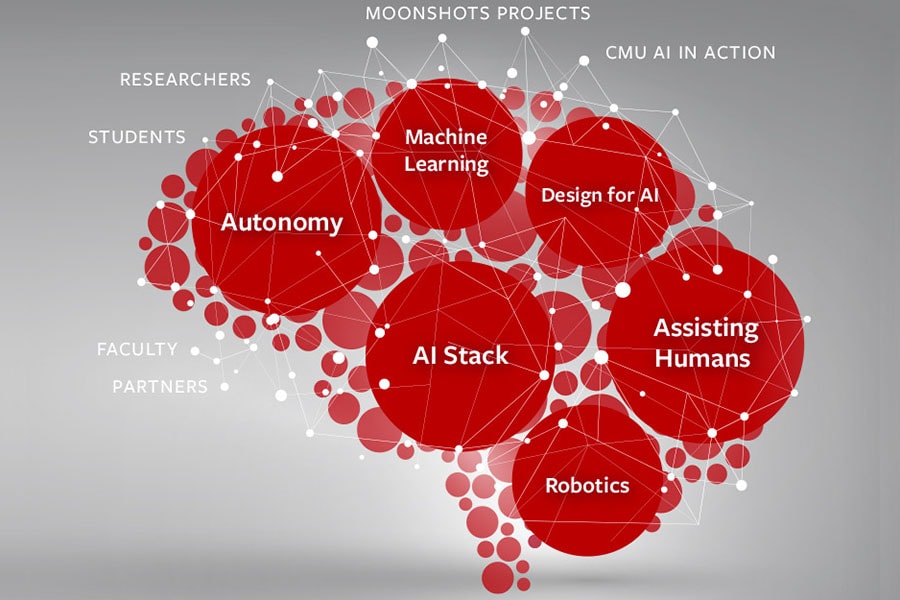
Training Turn-by-Turn Verifiers for Dialogue Tutoring Agents: The Curious Case of LLMs as Your Coding Tutors
Intelligent tutoring agents powered by large language models (LLMs) have been increasingly explored to deliver personalized guidance in areas such as language learning and science education. However, their capabilities in guiding users to solve complex real-world tasks remain underexplored. To address this limitation, in this work, we focus on coding tutoring, a challenging problem that requires tutors to proactively guide students toward completing predefined coding tasks. We propose a novel agent workflow, Trace-and-Verify (TRAVER), which combines knowledge tracing to estimate a student's knowledge state and turn-by-turn verification to ensure effective guidance toward task completion. We introduce DICT, an automatic evaluation protocol that assesses tutor agents holistically using controlled student simulation and code generation tests. Extensive experiments reveal the challenges of coding tutoring and demonstrate that TRAVER achieves a significantly higher success rate. Although we use code tutoring as an example in this paper, our results and findings can be extended beyond coding, providing valuable insights into advancing tutoring agents for a variety of tasks.



Scattered Forest Search: Smarter Code Space Exploration with LLMs
We propose a novel approach to scaling LLM inference for code generation. We frame code generation as a black box optimization problem within the code space, and employ optimization-inspired techniques to enhance exploration. Specifically, we introduce Scattered Forest Search to enhance solution diversity while searching for solutions. Our theoretical analysis illustrates how these methods avoid local optima during optimization. Extensive experiments on HumanEval, MBPP, APPS, CodeContests, and Leetcode reveal significant performance improvements. For instance, our method achieves a pass@1 rate of 67.1% on HumanEval+ and 87.2% on HumanEval with GPT-3.5, marking improvements of 8.6% and 4.3% over the state-of-the-art, while also halving the iterations needed to find the correct solution. Furthermore, our method scales more efficiently than existing search techniques, including tree search, line search, and repeated sampling.
Learning to Solve and Verify: A Self-Play Framework for Code and Test Generation
Recent advances in large language models (LLMs) have improved their performance on coding benchmarks. However, improvement is plateauing due to the exhaustion of readily available high-quality data. Prior work has shown the potential of synthetic self-instruct data, but naively training on a model's own outputs can cause error accumulation, especially in coding tasks, where generalization may collapse due to overly simple or erroneous training data, highlighting the need for rigorous quality checks on synthetic data. In this work, we explore an effective approach whereby the model itself verifies the correctness of its own data. We thus propose Sol-Ver, a self-play solver-verifier framework that jointly improves a single model's code and test generation capacity. By iteratively refining code (LLM-as-a-solver) and tests (LLM-as-a-verifier) together, we boost both capabilities without relying on human annotations or larger teacher models. Experiments with the Llama 3.1 8B model demonstrate substantial performance enhancements, achieving average relative improvements of 19.63% in code generation and 17.49% in test generation on MBPP and LiveCodeBench.
SelfPiCo: Self-Guided Partial Code Execution with LLMs
Code executability plays a vital role in software debugging and testing (e.g., detecting runtime exceptions or assertion violations). However, code execution, especially partial or arbitrary code execution, is a non-trivial task due to missing definitions and complex third-party dependencies. To make partial code (such as code snippets posted on the web or code fragments deep inside complex software projects) executable, the existing study has proposed a machine learning model to predict the undefined element types and inject the pre-defined dummy values into execution. However, the performance of their tool is limited due to its simply designed dummy values and the inability to continue learning. In this paper, we design and implement a novel framework, named SelfPiCo (Self Guided Partial Code Executor), to dynamically guide partial code execution by incorporating the open-source LLM (i.e., Code Llama) within an interactive loop. Particularly, SelfPiCo leverages few-shot in-context learning and chain-of-thought reasoning to elicit human knowledge and logical reasoning based on fine-tuning the Code Llama model. SelfPiCo continuously learns from code execution results and refines its predictions step after step. Our evaluations demonstrate that SelfPiCo can execute 72.7% and 83.3% of all lines in the open-source code and Stack Overflow snippets, outperforming the most recent state-of-the-art Lexecutor by 37.9% and 33.5%, respectively. Moreover, SelfPiCo successfully detected 18 and 33 runtime type error issues by executing the partial code from eight GitHub software projects and 43 Stack Overflow posts, demonstrating the practical usage and potential application of our framework in practice.

R1-Code-Interpreter: Training LLMs to Reason with Code via Supervised and Reinforcement Learning
Despite advances in reasoning and planning of R1-like models, Large Language Models (LLMs) still struggle with tasks requiring precise computation, symbolic manipulation, optimization, and algorithmic reasoning, in which textual reasoning lacks the rigor of code execution. A key challenge is enabling LLMs to decide when to use textual reasoning versus code generation. While OpenAI trains models to invoke a Code Interpreter as needed, public research lacks guidance on aligning pre-trained LLMs to effectively leverage code and generalize across diverse tasks. We present R1-Code-Interpreter, an extension of a text-only LLM trained via multi-turn supervised fine-tuning (SFT) and reinforcement learning (RL) to autonomously generate multiple code queries during step-by-step reasoning. We curate 144 reasoning and planning tasks (107 for training, 37 for testing), each with over 200 diverse questions. We fine-tune Qwen-2.5 models (3B/7B/14B) using various SFT and RL strategies, investigating different answer formats, reasoning vs. non-reasoning models, cold vs. warm starts, GRPO vs. PPO, and masked vs. unmasked code outputs. Unlike prior RL work on narrow domains, we find that Code Interpreter training is significantly harder due to high task diversity and expensive code execution, highlighting the critical role of the SFT stage. Our final model, R1-CI-14B, improves average accuracy on the 37 test tasks from 44.0\% to 64.1\%, outperforming GPT-4o (text-only: 58.6\%) and approaching GPT-4o with Code Interpreter (70.9\%), with the emergent self-checking behavior via code generation. Datasets, Codes, and Models are available at https://github.com/yongchao98/R1-Code-Interpreter and https://huggingface.co/yongchao98.


Code to Think, Think to Code: A Survey on Code-Enhanced Reasoning and Reasoning-Driven Code Intelligence in LLMs
In large language models (LLMs), code and reasoning reinforce each other: code offers an abstract, modular, and logic-driven structure that supports reasoning, while reasoning translates high-level goals into smaller, executable steps that drive more advanced code intelligence. In this study, we examine how code serves as a structured medium for enhancing reasoning: it provides verifiable execution paths, enforces logical decomposition, and enables runtime validation. We also explore how improvements in reasoning have transformed code intelligence from basic completion to advanced capabilities, enabling models to address complex software engineering tasks through planning and debugging. Finally, we identify key challenges and propose future research directions to strengthen this synergy, ultimately improving LLM's performance in both areas.


Knowledge Graph Based Repository-Level Code Generation
Recent advancements in Large Language Models (LLMs) have transformed code generation from natural language queries. However, despite their extensive knowledge and ability to produce high-quality code, LLMs often struggle with contextual accuracy, particularly in evolving codebases. Current code search and retrieval methods frequently lack robustness in both the quality and contextual relevance of retrieved results, leading to suboptimal code generation. This paper introduces a novel knowledge graph-based approach to improve code search and retrieval leading to better quality of code generation in the context of repository-level tasks. The proposed approach represents code repositories as graphs, capturing structural and relational information for enhanced context-aware code generation. Our framework employs a hybrid approach for code retrieval to improve contextual relevance, track inter-file modular dependencies, generate more robust code and ensure consistency with the existing codebase. We benchmark the proposed approach on the Evolutionary Code Benchmark (EvoCodeBench) dataset, a repository-level code generation benchmark, and demonstrate that our method significantly outperforms the baseline approach. These findings suggest that knowledge graph based code generation could advance robust, context-sensitive coding assistance tools.
How Should I Build A Benchmark? Revisiting Code-Related Benchmarks For LLMs
Various benchmarks have been proposed to assess the performance of large language models (LLMs) in different coding scenarios. We refer to them as code-related benchmarks. However, there are no systematic guidelines by which such a benchmark should be developed to ensure its quality, reliability, and reproducibility. We propose How2Bench, which is comprised of a 55- 55-criteria checklist as a set of guidelines to govern the development of code-related benchmarks comprehensively. Using HOW2BENCH, we profiled 274 benchmarks released within the past decade and found concerning issues. Nearly 70% of the benchmarks did not take measures for data quality assurance; over 10% did not even open source or only partially open source. Many highly cited benchmarks have loopholes, including duplicated samples, incorrect reference codes/tests/prompts, and unremoved sensitive/confidential information. Finally, we conducted a human study involving 49 participants, which revealed significant gaps in awareness of the importance of data quality, reproducibility, and transparency.

Scrub It Out! Erasing Sensitive Memorization in Code Language Models via Machine Unlearning
While Code Language Models (CLMs) have demonstrated superior performance in software engineering tasks such as code generation and summarization, recent empirical studies reveal a critical privacy vulnerability: these models exhibit unintended memorization of sensitive training data, enabling verbatim reproduction of confidential information when specifically prompted. To address this issue, several approaches, including training data de-duplication and differential privacy augmentation, have been proposed. However, these methods require full-model retraining for deployed CLMs, which incurs substantial computational costs. In this paper, we aim to answer the following research question: Can sensitive information memorized by CLMs be erased effectively and efficiently? We conduct a pioneering investigation into erasing sensitive memorization in CLMs through machine unlearning - a post-hoc modification method that removes specific information from trained models without requiring full retraining. Specifically, we first quantify the memorization risks of sensitive data within CLM training datasets and curate a high-risk dataset of 50,000 sensitive memorized samples as unlearning targets. We study two widely used gradient ascent-based unlearning approaches: the vanilla and constraint-based methods, and introduce CodeEraser, an advanced variant that selectively unlearns sensitive memorized segments in code while preserving the structural integrity and functional correctness of the surrounding code. Extensive experiments on three families of CLMs, i.e., CodeParrot, CodeGen-Mono, and Qwen2.5-Coder, validate the effectiveness and efficiency of CodeEraser in erasing targeted sensitive memorization while maintaining model utility.
Predicting Code Coverage without Execution
Code coverage is a widely used metric for quantifying the extent to which program elements, such as statements or branches, are executed during testing. Calculating code coverage is resource-intensive, requiring code building and execution with additional overhead for the instrumentation. Furthermore, computing coverage of any snippet of code requires the whole program context. Using Machine Learning to amortize this expensive process could lower the cost of code coverage by requiring only the source code context, and the task of code coverage prediction can be a novel benchmark for judging the ability of models to understand code. We propose a novel benchmark task called Code Coverage Prediction for Large Language Models (LLMs). We formalize this task to evaluate the capability of LLMs in understanding code execution by determining which lines of a method are executed by a given test case and inputs. We curate and release a dataset we call COVERAGEEVAL by executing tests and code from the HumanEval dataset and collecting code coverage information. We report the performance of four state-of-the-art LLMs used for code-related tasks, including OpenAI's GPT-4 and GPT-3.5-Turbo, Google's BARD, and Anthropic's Claude, on the Code Coverage Prediction task. Finally, we argue that code coverage as a metric and pre-training data source are valuable for overall LLM performance on software engineering tasks.



Code-Driven Planning in Grid Worlds with Large Language Models
We propose an iterative programmatic planning (IPP) framework for solving grid-based tasks by synthesizing interpretable agent policies expressed in code using large language models (LLMs). Instead of relying on traditional search or reinforcement learning, our approach uses code generation as policy synthesis, where the LLM outputs executable programs that map environment states to action sequences. Our proposed architecture incorporates several prompting strategies, including direct code generation, pseudocode-conditioned refinement, and curriculum-based prompting, but also includes an iterative refinement mechanism that updates code based on task performance feedback. We evaluate our approach using six leading LLMs and two challenging grid-based benchmarks (GRASP and MiniGrid). Our IPP framework demonstrates improvements over direct code generation ranging from 10\% to as much as 10x across five of the six models and establishes a new state-of-the-art result for GRASP. IPP is found to significantly outperform direct elicitation of a solution from GPT-o3-mini (by 63\% on MiniGrid to 116\% on GRASP), demonstrating the viability of the overall approach. Computational costs of all code generation approaches are similar. While code generation has a higher initial prompting cost compared to direct solution elicitation (\0.08 per task vs. 0.002 per instance for GPT-o3-mini), the code can be reused for any number of instances, making the amortized cost significantly lower (by 400x on GPT-o3-mini across the complete GRASP benchmark).

Leveraging LLMs for Legacy Code Modernization: Challenges and Opportunities for LLM-Generated Documentation
Legacy software systems, written in outdated languages like MUMPS and mainframe assembly, pose challenges in efficiency, maintenance, staffing, and security. While LLMs offer promise for modernizing these systems, their ability to understand legacy languages is largely unknown. This paper investigates the utilization of LLMs to generate documentation for legacy code using two datasets: an electronic health records (EHR) system in MUMPS and open-source applications in IBM mainframe Assembly Language Code (ALC). We propose a prompting strategy for generating line-wise code comments and a rubric to evaluate their completeness, readability, usefulness, and hallucination. Our study assesses the correlation between human evaluations and automated metrics, such as code complexity and reference-based metrics. We find that LLM-generated comments for MUMPS and ALC are generally hallucination-free, complete, readable, and useful compared to ground-truth comments, though ALC poses challenges. However, no automated metrics strongly correlate with comment quality to predict or measure LLM performance. Our findings highlight the limitations of current automated measures and the need for better evaluation metrics for LLM-generated documentation in legacy systems.
ReflectionCoder: Learning from Reflection Sequence for Enhanced One-off Code Generation
Code generation plays a crucial role in various tasks, such as code auto-completion and mathematical reasoning. Previous work has proposed numerous methods to enhance code generation performance, including integrating feedback from the compiler. Inspired by this, we present ReflectionCoder, a novel approach that effectively leverages reflection sequences constructed by integrating compiler feedback to improve one-off code generation performance. Furthermore, we propose reflection self-distillation and dynamically masked distillation to effectively utilize these reflection sequences. Extensive experiments on three benchmarks, i.e., HumanEval (+), MBPP (+), and MultiPl-E, demonstrate that models fine-tuned with our method achieve state-of-the-art performance. Notably, ReflectionCoder-DeepSeek-Coder-33B reaches pass@1 of 82.9 (76.8) on HumanEval (+) and 84.1 (72.0) on MBPP (+), on par with GPT-3.5-Turbo and Claude-3-opus, and surpasses early GPT-4. Beyond the code domain, we believe this approach can benefit other domains that focus on final results and require long reasoning paths. Code and data are available at https://github.com/SenseLLM/ReflectionCoder.
Zero-Shot Code Representation Learning via Prompt Tuning
Learning code representations has been the core prerequisite of many software engineering tasks such as code clone detection and code generation. State-of-the-art program representation techniques mainly utilize pre-trained language models (PLMs) such as CodeBERT. A Transformer encoder is firstly pre-trained on a large-scale code corpus to acquire general knowledge about source code. The pre-trained model is then fine-tuned on specific tasks using an amount of labeled data. However, gathering training samples for the downstream tasks can be prohibitively expensive and impractical for domain-specific languages or project-specific tasks. Besides, pre-training and downstream tasks are usually heterogeneous, which makes it difficult to fully explore the knowledge learned during pre-training. In this paper, we propose Zecoler, a zero-shot approach for learning code representations. Zecoler is built upon a pre-trained programming language model. In order to elicit knowledge from the PLMs efficiently, Zecoler casts the downstream tasks to the same form of pre-training objectives by inserting train-able prompts into the original input. These prompts can guide PLMs on how to generate better results. Subsequently, we employ the prompt tuning technique to search for the optimal prompts for PLMs automatically. This enables the representation model to efficiently fit the downstream tasks through fine-tuning on the dataset in source language domain and then reuse the pre-trained knowledge for the target domain in a zero-shot style. We evaluate Zecoler in five code intelligence tasks including code clone detection, code search, method name prediction, code summarization, and code generation. The results show that our approach significantly outperforms baseline models under the zero-shot setting.

EffiBench: Benchmarking the Efficiency of Automatically Generated Code
Code generation models have increasingly become integral to aiding software development, offering assistance in tasks such as code completion, debugging, and code translation. Although current research has thoroughly examined the correctness of code produced by code generation models, a vital aspect, i.e., the efficiency of the generated code, has often been neglected. This paper presents EffiBench, a benchmark with 1,000 efficiency-critical coding problems for assessing the efficiency of code generated by code generation models. EffiBench contains a diverse set of LeetCode coding problems. Each problem is paired with an executable human-written canonical solution. With EffiBench, we empirically examine the capability of 21 Large Language Models (13 open-sourced and 8 closed-sourced) in generating efficient code. The results demonstrate that GPT-4-turbo generates the most efficient code, significantly outperforming Palm-2-chat-bison, Claude-instant-1, Gemini-pro, GPT-4, and GPT-3.5. Nevertheless, its code efficiency is still worse than the efficiency of human-written canonical solutions. In particular, the average and worst execution time of GPT-4-turbo generated code is 1.69 and 45.49 times that of the canonical solutions.
CoTexT: Multi-task Learning with Code-Text Transformer
We present CoTexT, a pre-trained, transformer-based encoder-decoder model that learns the representative context between natural language (NL) and programming language (PL). Using self-supervision, CoTexT is pre-trained on large programming language corpora to learn a general understanding of language and code. CoTexT supports downstream NL-PL tasks such as code summarizing/documentation, code generation, defect detection, and code debugging. We train CoTexT on different combinations of available PL corpus including both "bimodal" and "unimodal" data. Here, bimodal data is the combination of text and corresponding code snippets, whereas unimodal data is merely code snippets. We first evaluate CoTexT with multi-task learning: we perform Code Summarization on 6 different programming languages and Code Refinement on both small and medium size featured in the CodeXGLUE dataset. We further conduct extensive experiments to investigate CoTexT on other tasks within the CodeXGlue dataset, including Code Generation and Defect Detection. We consistently achieve SOTA results in these tasks, demonstrating the versatility of our models.

Agent-as-a-Judge: Evaluate Agents with Agents
Contemporary evaluation techniques are inadequate for agentic systems. These approaches either focus exclusively on final outcomes -- ignoring the step-by-step nature of agentic systems, or require excessive manual labour. To address this, we introduce the Agent-as-a-Judge framework, wherein agentic systems are used to evaluate agentic systems. This is an organic extension of the LLM-as-a-Judge framework, incorporating agentic features that enable intermediate feedback for the entire task-solving process. We apply the Agent-as-a-Judge to the task of code generation. To overcome issues with existing benchmarks and provide a proof-of-concept testbed for Agent-as-a-Judge, we present DevAI, a new benchmark of 55 realistic automated AI development tasks. It includes rich manual annotations, like a total of 365 hierarchical user requirements. We benchmark three of the popular agentic systems using Agent-as-a-Judge and find it dramatically outperforms LLM-as-a-Judge and is as reliable as our human evaluation baseline. Altogether, we believe that Agent-as-a-Judge marks a concrete step forward for modern agentic systems -- by providing rich and reliable reward signals necessary for dynamic and scalable self-improvement.


OASIS: Order-Augmented Strategy for Improved Code Search
Code embeddings capture the semantic representations of code and are crucial for various code-related large language model (LLM) applications, such as code search. Previous training primarily relies on optimizing the InfoNCE loss by comparing positive natural language (NL)-code pairs with in-batch negatives. However, due to the sparse nature of code contexts, training solely by comparing the major differences between positive and negative pairs may fail to capture deeper semantic nuances. To address this issue, we propose a novel order-augmented strategy for improved code search (OASIS). It leverages order-based similarity labels to train models to capture subtle differences in similarity among negative pairs. Extensive benchmark evaluations demonstrate that our OASIS model significantly outperforms previous state-of-the-art models focusing solely on major positive-negative differences. It underscores the value of exploiting subtle differences among negative pairs with order labels for effective code embedding training.
GALLa: Graph Aligned Large Language Models for Improved Source Code Understanding
Programming languages possess rich semantic information such as data flow that is represented by graphs and not available from the surface form of source code. Recent code language models have scaled to billions of parameters, but model source code solely as text tokens while ignoring any other structural information. Conversely, models that do encode structural information of code make modifications to the Transformer architecture, limiting their scale and compatibility with pretrained LLMs. In this work, we take the best of both worlds with GALLa - Graph Aligned Large Language Model. GALLa utilizes graph neural networks and cross-modal alignment technologies to inject the structural information of code into LLMs as an auxiliary task during finetuning. This framework is both model-agnostic and task-agnostic, as it can be applied to any code LLM for any code downstream task, and requires the structural graph data only at training time from a corpus unrelated to the finetuning data, while incurring no cost at inference time over the baseline LLM. Experiments on five code tasks with four different baseline LLMs ranging in size from 350M to 8B validate the effectiveness of GALLa, demonstrating consistent improvement over the baseline, even for powerful models such as LLaMA3.

CodeFuse-13B: A Pretrained Multi-lingual Code Large Language Model
Code Large Language Models (Code LLMs) have gained significant attention in the industry due to their wide applications in the full lifecycle of software engineering. However, the effectiveness of existing models in understanding non-English inputs for multi-lingual code-related tasks is still far from well studied. This paper introduces CodeFuse-13B, an open-sourced pre-trained code LLM. It is specifically designed for code-related tasks with both English and Chinese prompts and supports over 40 programming languages. CodeFuse achieves its effectiveness by utilizing a high quality pre-training dataset that is carefully filtered by program analyzers and optimized during the training process. Extensive experiments are conducted using real-world usage scenarios, the industry-standard benchmark HumanEval-x, and the specially designed CodeFuseEval for Chinese prompts. To assess the effectiveness of CodeFuse, we actively collected valuable human feedback from the AntGroup's software development process where CodeFuse has been successfully deployed. The results demonstrate that CodeFuse-13B achieves a HumanEval pass@1 score of 37.10%, positioning it as one of the top multi-lingual code LLMs with similar parameter sizes. In practical scenarios, such as code generation, code translation, code comments, and testcase generation, CodeFuse performs better than other models when confronted with Chinese prompts.


Code Completion using Neural Attention and Byte Pair Encoding
In this paper, we aim to do code completion based on implementing a Neural Network from Li et. al.. Our contribution is that we use an encoding that is in-between character and word encoding called Byte Pair Encoding (BPE). We use this on the source code files treating them as natural text without first going through the abstract syntax tree (AST). We have implemented two models: an attention-enhanced LSTM and a pointer network, where the pointer network was originally introduced to solve out of vocabulary problems. We are interested to see if BPE can replace the need for the pointer network for code completion.
Evaluation of LLMs on Syntax-Aware Code Fill-in-the-Middle Tasks
We introduce Syntax-Aware Fill-In-the-Middle (SAFIM), a new benchmark for evaluating Large Language Models (LLMs) on the code Fill-in-the-Middle (FIM) task. This benchmark focuses on syntax-aware completions of program structures such as code blocks and conditional expressions, and includes 17,720 examples from multiple programming languages, sourced from recent code submissions after April 2022 to minimize data contamination. SAFIM provides a robust framework with various prompt designs and novel syntax-aware post-processing techniques, facilitating accurate and fair comparisons across LLMs. Our comprehensive evaluation of 15 LLMs shows that FIM pretraining not only enhances FIM proficiency but also improves Left-to-Right (L2R) inference using LLMs. Our findings challenge conventional beliefs and suggest that pretraining methods and data quality have more impact than model size. SAFIM thus serves as a foundational platform for future research in effective pretraining strategies for code LLMs. The evaluation toolkit and dataset are available at https://github.com/gonglinyuan/safim, and the leaderboard is available at https://safimbenchmark.com.
Impact of Code Language Models on Automated Program Repair
Automated program repair (APR) aims to help developers improve software reliability by generating patches for buggy programs. Although many code language models (CLM) are developed and effective in many software tasks such as code completion, there has been little comprehensive, in-depth work to evaluate CLMs' fixing capabilities and to fine-tune CLMs for the APR task. Firstly, this work is the first to evaluate ten CLMs on four APR benchmarks, which shows that surprisingly, the best CLM, as is, fixes 72% more bugs than the state-of-the-art deep-learning (DL)-based APR techniques. Secondly, one of the four APR benchmarks was created by us in this paper to avoid data leaking for a fair evaluation. Thirdly, it is the first work to fine-tune CLMs with APR training data, which shows that fine-tuning brings 31%-1,267% improvement to CLMs and enables them to fix 46%-164% more bugs than existing DL-based APR techniques. Fourthly, this work studies the impact of buggy lines, showing that CLMs, as is, cannot make good use of the buggy lines to fix bugs, yet fine-tuned CLMs could potentially over-rely on buggy lines. Lastly, this work analyzes the size, time, and memory efficiency of different CLMs. This work shows promising directions for the APR domain, such as fine-tuning CLMs with APR-specific designs, and also raises awareness of fair and comprehensive evaluations of CLMs and calls for more transparent reporting of open-source repositories used in the pre-training data to address the data leaking problem.



Do Large Code Models Understand Programming Concepts? Counterfactual Analysis for Code Predicates
Large Language Models' success on text generation has also made them better at code generation and coding tasks. While a lot of work has demonstrated their remarkable performance on tasks such as code completion and editing, it is still unclear as to why. We help bridge this gap by exploring to what degree auto-regressive models understand the logical constructs of the underlying programs. We propose Counterfactual Analysis for Programming Concept Predicates (CACP) as a counterfactual testing framework to evaluate whether Large Code Models understand programming concepts. With only black-box access to the model, we use CACP to evaluate ten popular Large Code Models for four different programming concepts. Our findings suggest that current models lack understanding of concepts such as data flow and control flow.

Using Transfer Learning for Code-Related Tasks
Deep learning (DL) techniques have been used to support several code-related tasks such as code summarization and bug-fixing. In particular, pre-trained transformer models are on the rise, also thanks to the excellent results they achieved in Natural Language Processing (NLP) tasks. The basic idea behind these models is to first pre-train them on a generic dataset using a self-supervised task (e.g, filling masked words in sentences). Then, these models are fine-tuned to support specific tasks of interest (e.g, language translation). A single model can be fine-tuned to support multiple tasks, possibly exploiting the benefits of transfer learning. This means that knowledge acquired to solve a specific task (e.g, language translation) can be useful to boost performance on another task (e.g, sentiment classification). While the benefits of transfer learning have been widely studied in NLP, limited empirical evidence is available when it comes to code-related tasks. In this paper, we assess the performance of the Text-To-Text Transfer Transformer (T5) model in supporting four different code-related tasks: (i) automatic bug-fixing, (ii) injection of code mutants, (iii) generation of assert statements, and (iv) code summarization. We pay particular attention in studying the role played by pre-training and multi-task fine-tuning on the model's performance. We show that (i) the T5 can achieve better performance as compared to state-of-the-art baselines; and (ii) while pre-training helps the model, not all tasks benefit from a multi-task fine-tuning.


RepoFusion: Training Code Models to Understand Your Repository
Despite the huge success of Large Language Models (LLMs) in coding assistants like GitHub Copilot, these models struggle to understand the context present in the repository (e.g., imports, parent classes, files with similar names, etc.), thereby producing inaccurate code completions. This effect is more pronounced when using these assistants for repositories that the model has not seen during training, such as proprietary software or work-in-progress code projects. Recent work has shown the promise of using context from the repository during inference. In this work, we extend this idea and propose RepoFusion, a framework to train models to incorporate relevant repository context. Experiments on single-line code completion show that our models trained with repository context significantly outperform much larger code models as CodeGen-16B-multi (sim73times larger) and closely match the performance of the sim 70times larger StarCoderBase model that was trained with the Fill-in-the-Middle objective. We find these results to be a novel and compelling demonstration of the gains that training with repository context can bring. We carry out extensive ablation studies to investigate the impact of design choices such as context type, number of contexts, context length, and initialization within our framework. Lastly, we release Stack-Repo, a dataset of 200 Java repositories with permissive licenses and near-deduplicated files that are augmented with three types of repository contexts. Additionally, we are making available the code and trained checkpoints for our work. Our released resources can be found at https://huggingface.co/RepoFusion.




CodeMMLU: A Multi-Task Benchmark for Assessing Code Understanding Capabilities of CodeLLMs
Recent advancements in Code Large Language Models (CodeLLMs) have predominantly focused on open-ended code generation tasks, often neglecting the critical aspect of code understanding and comprehension. To bridge this gap, we present CodeMMLU, a comprehensive multiple-choice question-answer benchmark designed to evaluate the depth of software and code understanding in LLMs. CodeMMLU includes over 10,000 questions sourced from diverse domains, encompassing tasks such as code analysis, defect detection, and software engineering principles across multiple programming languages. Unlike traditional benchmarks, CodeMMLU assesses models's ability to reason about code rather than merely generate it, providing deeper insights into their grasp of complex software concepts and systems. Our extensive evaluation reveals that even state-of-the-art models face significant challenges with CodeMMLU, highlighting deficiencies in comprehension beyond code generation. By underscoring the crucial relationship between code understanding and effective generation, CodeMMLU serves as a vital resource for advancing AI-assisted software development, ultimately aiming to create more reliable and capable coding assistants.



Measuring memorization in RLHF for code completion
Reinforcement learning with human feedback (RLHF) has become the dominant method to align large models to user preferences. Unlike fine-tuning, for which there are many studies regarding training data memorization, it is not clear how memorization is affected by or introduced in the RLHF alignment process. Understanding this relationship is important as real user data may be collected and used to align large models; if user data is memorized during RLHF and later regurgitated, this could raise privacy concerns. In this work, we analyze how training data memorization can surface and propagate through each phase of RLHF. We focus our study on code completion models, as code completion is one of the most popular use cases for large language models. We find that RLHF significantly decreases the chance that data used for reward modeling and reinforcement learning is memorized, in comparison to aligning via directly fine-tuning on this data, but that examples already memorized during the fine-tuning stage of RLHF, will, in the majority of cases, remain memorized after RLHF.


CodeT5+: Open Code Large Language Models for Code Understanding and Generation
Large language models (LLMs) pretrained on vast source code have achieved prominent progress in code intelligence. However, existing code LLMs have two main limitations in terms of architecture and pretraining tasks. First, they often adopt a specific architecture (encoder-only or decoder-only) or rely on a unified encoder-decoder network for different downstream tasks. The former paradigm is limited by inflexibility in applications while in the latter, the model is treated as a single system for all tasks, leading to suboptimal performance on a subset of tasks. Secondly, they often employ a limited set of pretraining objectives which might not be relevant to some downstream tasks and hence result in substantial performance degrade. To address these limitations, we propose ``CodeT5+'', a family of encoder-decoder LLMs for code in which component modules can be flexibly combined to suit a wide range of downstream code tasks. Such flexibility is enabled by our proposed mixture of pretraining objectives to mitigate the pretrain-finetune discrepancy. These objectives cover span denoising, contrastive learning, text-code matching, and causal LM pretraining tasks, on both unimodal and bimodal multilingual code corpora. Furthermore, we propose to initialize CodeT5+ with frozen off-the-shelf LLMs without training from scratch to efficiently scale up our models, and explore instruction-tuning to align with natural language instructions. We extensively evaluate CodeT5+ on over 20 code-related benchmarks in different settings, including zero-shot, finetuning, and instruction-tuning. We observe state-of-the-art (SoTA) model performance on various code-related tasks, such as code generation and completion, math programming, and text-to-code retrieval tasks. Particularly, our instruction-tuned CodeT5+ 16B achieves new SoTA results on HumanEval code generation task against other open code LLMs.


AlchemistCoder: Harmonizing and Eliciting Code Capability by Hindsight Tuning on Multi-source Data
Open-source Large Language Models (LLMs) and their specialized variants, particularly Code LLMs, have recently delivered impressive performance. However, previous Code LLMs are typically fine-tuned on single-source data with limited quality and diversity, which may insufficiently elicit the potential of pre-trained Code LLMs. In this paper, we present AlchemistCoder, a series of Code LLMs with enhanced code generation and generalization capabilities fine-tuned on multi-source data. To achieve this, we pioneer to unveil inherent conflicts among the various styles and qualities in multi-source code corpora and introduce data-specific prompts with hindsight relabeling, termed AlchemistPrompts, to harmonize different data sources and instruction-response pairs. Additionally, we propose incorporating the data construction process into the fine-tuning data as code comprehension tasks, including instruction evolution, data filtering, and code review. Extensive experiments demonstrate that AlchemistCoder holds a clear lead among all models of the same size (6.7B/7B) and rivals or even surpasses larger models (15B/33B/70B), showcasing the efficacy of our method in refining instruction-following capabilities and advancing the boundaries of code intelligence.


Language Models of Code are Few-Shot Commonsense Learners
We address the general task of structured commonsense reasoning: given a natural language input, the goal is to generate a graph such as an event -- or a reasoning-graph. To employ large language models (LMs) for this task, existing approaches ``serialize'' the output graph as a flat list of nodes and edges. Although feasible, these serialized graphs strongly deviate from the natural language corpora that LMs were pre-trained on, hindering LMs from generating them correctly. In this paper, we show that when we instead frame structured commonsense reasoning tasks as code generation tasks, pre-trained LMs of code are better structured commonsense reasoners than LMs of natural language, even when the downstream task does not involve source code at all. We demonstrate our approach across three diverse structured commonsense reasoning tasks. In all these natural language tasks, we show that using our approach, a code generation LM (CODEX) outperforms natural-LMs that are fine-tuned on the target task (e.g., T5) and other strong LMs such as GPT-3 in the few-shot setting.
GraphCodeBERT: Pre-training Code Representations with Data Flow
Pre-trained models for programming language have achieved dramatic empirical improvements on a variety of code-related tasks such as code search, code completion, code summarization, etc. However, existing pre-trained models regard a code snippet as a sequence of tokens, while ignoring the inherent structure of code, which provides crucial code semantics and would enhance the code understanding process. We present GraphCodeBERT, a pre-trained model for programming language that considers the inherent structure of code. Instead of taking syntactic-level structure of code like abstract syntax tree (AST), we use data flow in the pre-training stage, which is a semantic-level structure of code that encodes the relation of "where-the-value-comes-from" between variables. Such a semantic-level structure is neat and does not bring an unnecessarily deep hierarchy of AST, the property of which makes the model more efficient. We develop GraphCodeBERT based on Transformer. In addition to using the task of masked language modeling, we introduce two structure-aware pre-training tasks. One is to predict code structure edges, and the other is to align representations between source code and code structure. We implement the model in an efficient way with a graph-guided masked attention function to incorporate the code structure. We evaluate our model on four tasks, including code search, clone detection, code translation, and code refinement. Results show that code structure and newly introduced pre-training tasks can improve GraphCodeBERT and achieves state-of-the-art performance on the four downstream tasks. We further show that the model prefers structure-level attentions over token-level attentions in the task of code search.